
Trigger Warning:
The following content discusses domestic violence and emotional abuse, which may be triggering for individuals who have experienced trauma.
Quiet Pain of Domestic Violence
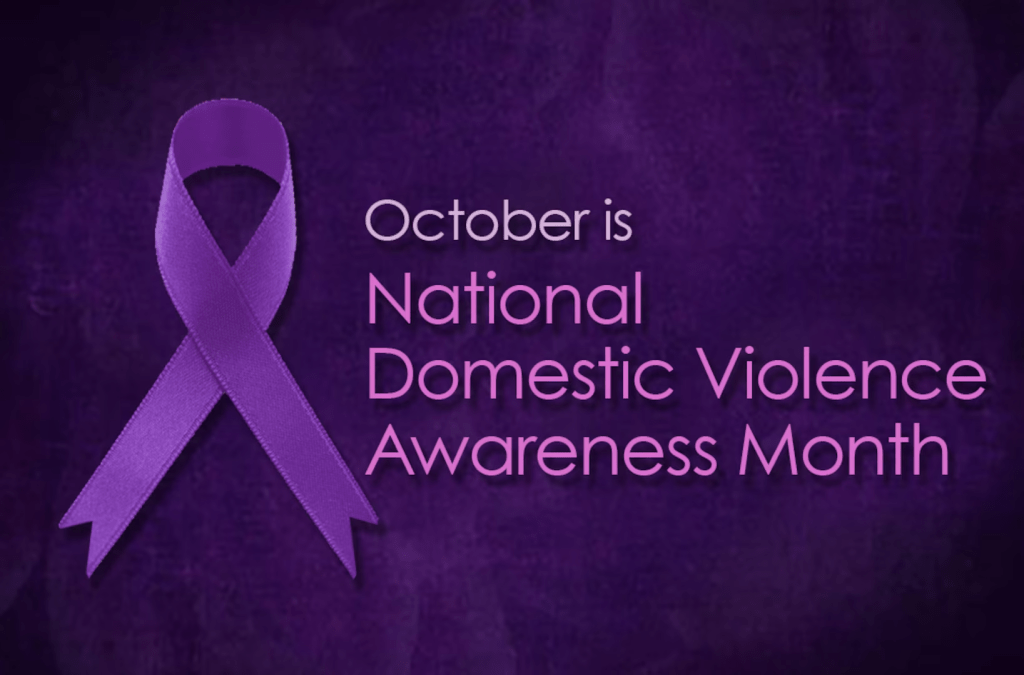
In honor of Domestic Violence Awareness Month, I am returning to my writing—something I had taken a break from—to share my journey of navigating difficult situations as a reflection of resilience and courage.
Many people assume domestic violence is only physical—visible through bruises, scars, or broken bones. But those are only the surface wounds. The physical injuries eventually heal; it’s the invisible emotional and psychological wounds that take far longer to recover from.
It is often easier to recognize when a situation becomes physically unsafe and demands an end to the relationship. However, other forms of abuse—especially emotional and psychological—are subtle, insidious, and harder to identify. These invisible wounds often go unnoticed by outsiders and even by the victims themselves until the damage feels irreversible.
“Let’s challenge the narrative that places blame on the survivor. It’s time to hold the perpetrators accountable and offer support to those affected.”
Emotional Abuse
Emotional abuse often begins quietly—with gaslighting, manipulation, and subtle control. It doesn’t appear violent, but it chips away at your sense of self until you no longer trust your own judgment. The victim starts questioning their own reality, memory, and perceptions. When communication turns into control—when every disagreement ends with you apologizing for noticing the truth—something deeper is wrong.
Manipulation shifts the focus from the abuser’s actions to your reaction. They use your secrets, fears, and vulnerabilities against you, reinforcing dependence and fear. Over time, this creates a power imbalance fueled by control, guilt, and emotional blackmail.
Control often disguises itself as care. Innocent-sounding questions like “Where were you?” or “Who were you with?” mask insecurity and possessiveness. Ignoring a message or needing space becomes grounds for conflict. They demand immediate responses, bombard your phone with calls, and insist on resolving things their way—leaving no room for your voice or perspective.
In many cases, emotional abuse happens so gradually that the victim doesn’t even realize they’re being controlled. It’s like being trapped in quicksand—you sink deeper the more you try to reason your way out.
The Cycle of Power and Control
Gradually, codependency sets in. The abuser controls the smallest aspects of your life—what you wear, eat, listen to, or whom you talk to. Each day feels suffocating as you pour yourself into someone who only takes, never gives. You cling to false hope—the promise that “things will get better”—a tactic known as future faking.
Over time, isolation becomes another weapon. You lose connection with friends and family, the very people who could have helped you escape. Fear, shame, and constant belittlement erode your confidence until you no longer recognize yourself.
Your joy fades. You shrink to fit into the box of what they want you to be. They convince you that you’re “too much,” “too emotional,” or “too sensitive,” when in truth, they’re just uncomfortable facing accountability.
In abusive relationships, projection is common—the abuser projects their own flaws onto you. They play the victim, twisting reality until you start doubting yourself. Boundaries become an act of rebellion, and you’re blamed for being “selfish” when you try to set them. The “grey rock” method—becoming emotionally unresponsive—can sometimes help, but only to an extent. Abusers crave reaction and control; they thrive on drama, and silence can provoke them further.
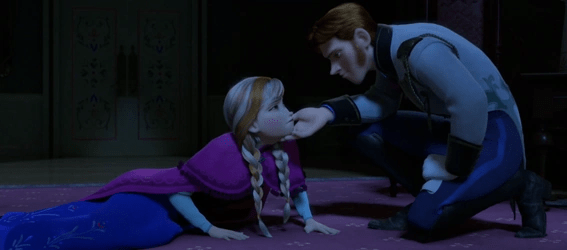
In my opinion, abusers are similar to Prince Hans from Frozen—a seemingly charming and noble prince who masterfully hides his true intentions behind kindness and charisma. From the beginning, he mirrors Anna’s emotions, making her feel understood and valued, only to later reveal his real motives once she is most vulnerable. Like many emotional abusers, Hans wears a convincing mask—he charms, disarms, and deceives with precision. For much of the film, he maintains his façade not only with Anna but with everyone in Arendelle, revealing his true nature only when he believes he’s in control. His deception is so subtle that even the audience feels betrayed when his mask finally slips. Unlike traditional Disney villains marked by dark appearances or ominous tones, Hans’s outward warmth makes his manipulation even more chilling—proving that not all villains look the part.
Breaking the Cycle
One of the most dangerous misconceptions is that love should hurt or that control equals care. Real love does not demand your silence, obedience, or pain. Relationships are not meant to be acts of endurance or survival—they are meant to nurture and uplift both people.
If only one person is making all the effort while the other uses manipulation to maintain control, the environment becomes toxic and unsafe. You cannot heal or grow in a place that constantly wounds you.
“Your safety and well-being matter above all else. Take the leap, spread your wings, and soar towards a future filled with happiness and peace.”
The decision to leave is never easy—it’s often the hardest and most terrifying step. Breaking the trauma bond—the emotional attachment formed through cycles of abuse and intermittent kindness—can feel like losing a part of yourself. It’s confusing because the same person who hurts you also gives you brief moments of affection that feel like hope. But choosing peace over chaos is one of the bravest acts of self-love.
Leaving may be challenging, but staying in an abusive relationship robs you of the opportunity to rediscover who you are and the life you deserve. Once you step away, the fog begins to clear, and you start to see how strong you truly are.
Healing is not linear. There will be setbacks and moments of doubt. But each step toward rebuilding your self-esteem and reclaiming your voice is progress. Give yourself grace. Celebrate small victories. You are not broken—you are healing. Your past does not define you; it is a chapter in your story that showcases your strength and the power of your resilience. Healing is an act of self-empowerment. Embrace the strength within you and let it guide you towards a life of freedom and joy.
You are the author of your own story. Let the chapters of healing, growth, and empowerment redefine who you are.
A Message of Hope
To those who have made it out—kudos to your courage. You chose yourself, even when it was painful. You chose peace, freedom, and the chance to rebuild.
And to anyone still living in the shadow of abuse—you are not alone in your journey. Recognizing the pattern is the first step. Reach out and let the collective strength of survivors empower and uplift you. The wounds of the past may scar, but they do not define your future. Embrace the power of healing and rewrite your story.
If you or someone you know is experiencing domestic violence, help is available 24/7:
📞 Call or text 988 (U.S. Domestic Violence Helpline).
They can provide confidential support, resources, and safety planning.
Knowledge is power—and it can save a life.
“Your past does not define you; it is a chapter in your story that showcases your strength and the power of your resilience”

 Finding the love within...