🌙 When the Mind Won’t Let Go
Heartbreak has a way of replaying itself on a loop — conversations you wish went differently, moments you wish you could erase, and a future you expected but never received.
After a divorce or deep heartbreak, it’s natural to feel stuck inside your own thoughts.
You analyze every detail.
You question everything.
You replay memories until they feel like open wounds.
But here’s the truth:
Ruminating doesn’t heal you — it holds you hostage.
And healing begins the moment you decide to reframe your mind, shift your inner dialogue, and reconnect with your own power.
This post is your invitation to gently reshape your thinking patterns and move forward with clarity, hope, and self-compassion.
🌧️ Why Heartbreak Makes Us Ruminate
Rumination is your mind’s attempt to make sense of something that shattered your expectations.
After divorce or heartbreak, your brain naturally seeks closure, answers, and understanding.
But the problem is:
You can’t heal by re-reading old chapters.
Instead of giving clarity, rumination keeps your nervous system in survival mode.
It often shows up as:
- Replaying painful conversations
- Wondering what you could have done differently
- Obsessively checking their social media
- Imagining “what could have been”
- Feeling stuck between anger, sadness, and confusion
Rumination is a cycle — but cycles can be broken.
✨ Step 1: Reframe the Story You’re Telling Yourself
Every healing journey begins with reframing.
Not rewriting the truth — but rewriting the meaning.
Instead of:
“I failed.”
Try:
“I survived something that taught me more about who I am.”
Instead of:
“I wasted years.”
Try:
“Those years shaped me, but they don’t define my future.”
Instead of:
“They moved on, so I must not have mattered.”
Try:
“Their actions are not a reflection of my worth.”
Reframing transforms suffering into strength.
✨ Step 2: Create Mental Boundaries
Your thoughts need boundaries just as much as your heart does.
Try these practices:
1. Time-Limit Your Reflection
Allow yourself a specific window to process the past — then intentionally shift your focus.
2. Change the Setting
If painful thoughts arise while lying in bed, get up. Move. Breathe. Interrupt the pattern.
3. Grounding Practices
- Place your hand on your heart
- Name 5 things you can see
- Feel your feet firmly on the ground
These practices gently pull you out of the past and into the present.
🌤️ Step 3: Rebuild Your Identity (Without the Relationship)
After heartbreak, you don’t just lose a partner —
You lose the version of you that existed with them.
So begin asking yourself:
- Who am I becoming?
- What do I value now?
- What dreams are mine — not ours?
- What parts of myself did I silence?
- What do I no longer have to shrink for?
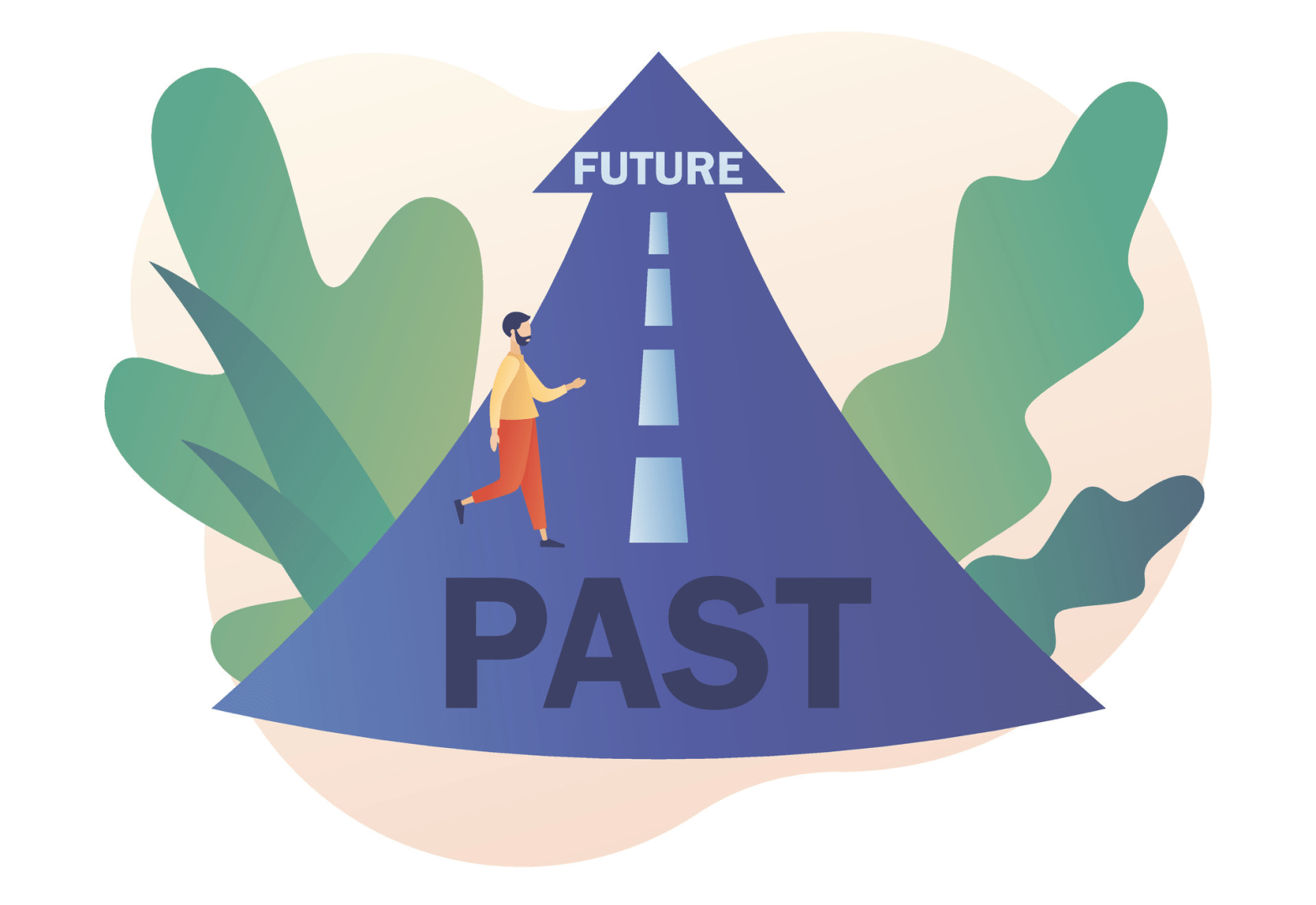
Healing is not about going back.
It is about becoming forward.
🌕 Step 4: Accept That Closure Comes From Within
Some people never give us apologies, explanations, or accountability.
And yet…
You still get to heal anyway.
Closure is not a conversation.
It’s a decision.
A decision to reclaim your peace, your future, and your energy.
“You cannot heal in the place where your heart was broken.” — Rupi Kaur
✨ Step 5: Cultivate Radical Self-Compassion
You’re not supposed to “move on quickly.”
You’re supposed to heal fully.
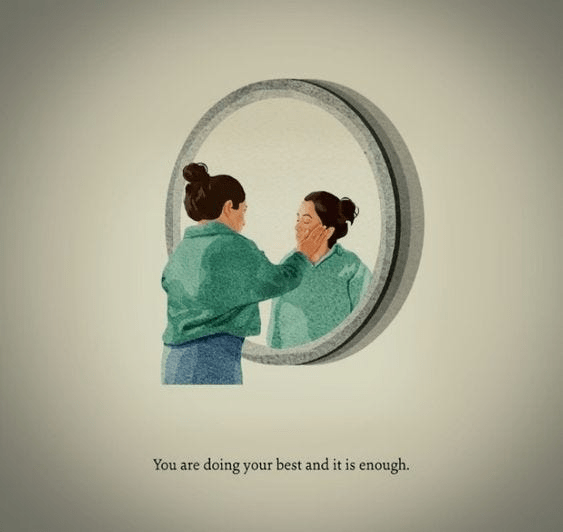
Be gentle with yourself. You are rebuilding a life from the inside out.
Try reminding yourself:
- “I am allowed to take my time.”
- “I am healing, even on the days it doesn’t feel like it.”
- “My worth is not measured by someone who walked away.”
Healing isn’t linear.
Some days you’ll feel strong.
Other days you’ll feel the ache again.
Both days count.
Both days matter.
Both days are progress.
“Your heart will heal itself when it is ready — your job is only to love yourself in the meantime.” — Unknown

🌀 Wanda Maximoff (Scarlet Witch): A Lesson in Reframing Your Story
Wanda Maximoff is a powerful mirror for anyone healing after heartbreak.
She didn’t just lose love —
She lost a future, an identity, and a version of herself that once felt whole.
Her story reflects what many experience after divorce: the collapse of not just a relationship, but a dreamed-of life.
Wanda clings to memories, replaying them until they shape her reality — much like rumination shapes ours. She tries to recreate what was, instead of accepting what is.
But her transformation begins when she stops running from the truth.
When she:
- Accepts her grief
- Takes responsibility
- Lets go of illusion
She begins to rebuild from clarity instead of pain.
Her turning point symbolizes a shift we all must make:
- From holding onto fantasy → embracing truth
- From feeling powerless → reclaiming strength
- From reliving the past → rewriting the future
What Wanda teaches us:
- You can’t heal by living in memories
- Grief is real, but it doesn’t have to define you
- Power returns when you choose acceptance over rumination
Your strength begins the moment you stop looking backward and start reclaiming your story.
🌙 Final Thoughts: You Are Becoming Someone New
Divorce or heartbreak can feel like the end —
but in truth, it is often the beginning of your becoming.
You are not meant to stay in the memories.
You are meant to create new ones.
You are not meant to shrink from pain.
You are meant to rise from it.
Healing doesn’t happen by returning to what broke you —
it happens by returning to yourself.
You’re not losing a future.
You’re gaining a new one.
And this time…
it’s yours.
“There is no timeline, no perfect pace. Healing is simply the art of returning home to yourself.”