Domestic Violence Awareness Month · (Part 1 of 5)
Trigger warning: This post discusses domestic violence, emotional abuse, and manipulation.
When we talk about domestic violence, we often picture physical injuries. But not every wound leaves a visible mark, and not every abusive relationship looks abusive from the outside.
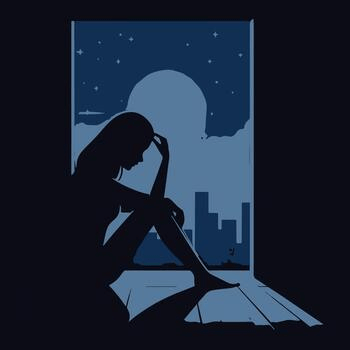
Sometimes, the deepest wounds are the ones nobody sees.
They are the moments when you begin questioning your own memory. When you rehearse what you want to say because you’re afraid of someone’s reaction. When keeping the peace becomes more important than expressing yourself. When you slowly lose the confidence to make decisions for yourself.
The Bruises Nobody Sees
Emotional exhaustion. Constant criticism, blame, and manipulation can leave you feeling as though you’re always doing something wrong.
Self-doubt. You begin questioning your feelings and wondering whether you’re overreacting, even when something deeply hurts you.
Isolation. You may withdraw from friends and family because explaining what happens at home feels exhausting or embarrassing.
Loss of identity. You stop doing things you enjoy, expressing your opinions, or setting boundaries because you’re trying to avoid conflict.
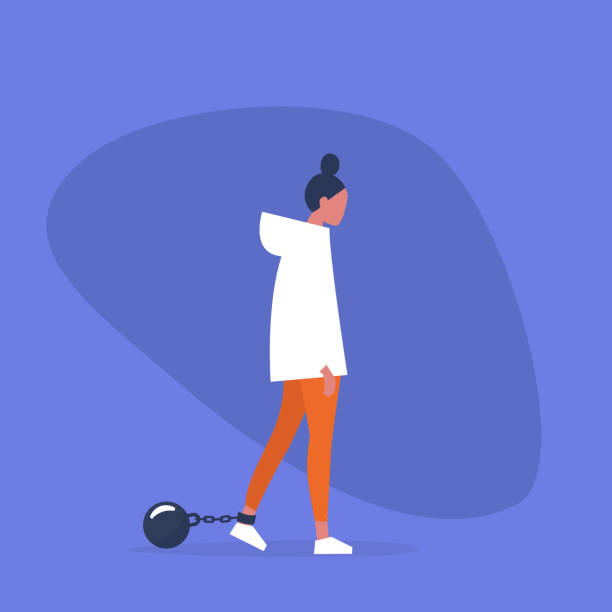
Fear of starting over. Even when you recognize that a relationship is hurting you, the thought of rebuilding your life can feel overwhelming.
These experiences are often invisible to everyone else. You may smile in public while struggling privately to understand what is happening in your own life.
Why It’s So Hard to Explain
Abuse doesn’t necessarily happen every day or look the same every time. There may be affection, apologies, happy memories, and promises to change.
Those moments can make it difficult to reconcile the person you love with the person whose behavior is hurting you.
You may find yourself thinking, “Maybe things will get better. Maybe I’m asking for too much.”
But wanting respect, emotional safety, and consistency is not asking for too much.
You don’t need visible bruises to deserve help. You don’t need to prove your pain to deserve safety.
A Gentle Reminder
If you recognize yourself in these words, please know that you are not weak for feeling confused. You are not foolish for having hoped things would change.
You deserve relationships where you can speak freely, maintain your independence, and feel safe being yourself.
Reflection: Have you ever minimized your own pain because someone else couldn’t see it?
Sometimes, acknowledging what happened is the first step toward understanding what you need.
Coming next in this series: Why Leaving an Abusive Relationship Is Not That Simple.
If you are experiencing abuse, you deserve support. In the U.S., the National Domestic Violence Hotline is available at 800-799-SAFE (7233), by texting START to 88788, or at thehotline.org. If you are in immediate danger, call 911.

