We all know what triggers are — the moments that activate stress or emotional pain.
Glimmers are the opposite. They’re tiny moments of safety, joy, or connection that shift your body into calm. They often appear quietly:
Sunlight warming your face
A song you forgot you loved
Your pet curled beside you
That perfect first sip of coffee
They’re gentle reminders that not everything is heavy. And the more you notice them, the more they begin to show up.
🌼 Why Glimmers Matter
Life gets overwhelming — stress, burnout, heartbreak, endless responsibilities. Glimmers help you:
Regulate your nervous system
Build emotional resilience
Shift from survival mode into safety
Feel grounded
Remember that good things still exist
They don’t erase the hard parts. They simply soften them.
Olaf (Frozen) — Innocent Joy in Small Things
Olaf is the pure embodiment of glimmers. He finds magic in the simplest moments — warm hugs, new friends, tiny joys. He reminds us that comfort and delight often come from small, childlike wonders.
Why he fits: He teaches that noticing the simple things can soften even the coldest days.
🌻 Everyday Glimmers You May Be Missing
✨ 1. Morning Light
That quiet glow that tells you a new day is beginning.
✨ 2. Warm Drinks
Comfort for your hands and heart.
✨ 3. Music
One song can change your whole mood.
✨ 4. Stillness
A slow breath before walking inside.
✨ 5. Soft Laughter
Even small giggles count.
✨ 6. Pets
A purr, a wagging tail, a bird outside your window.
✨ 7. Clean Spaces
A made bed or tidy corner brings instant calm.
✨ 8. Kindness
A stranger holding the door, or someone saying “take your time.”
✨ 9. Nature
Cloud shapes, breezes, rustling leaves.
✨ 10. Being Seen
A friend texting, “thinking of you.”
🌱 How to Notice More Glimmers
1. Slow Down a Little
You don’t need a full mindfulness practice — just notice one thing around you today.
2. Try “Micro-Presence”
Not be fully mindful. Just catch one beautiful moment.
3. Keep a Glimmer Journal
Write down:
one moment of calm
one moment of joy
one moment of hope
4. Create Your Own Glimmers
Light a candle. Turn on your favorite playlist. Buy flowers. Wear something that makes you feel soft.
5. Choose Safe People
The right people create glimmers without even trying.
6. Allow Yourself to Feel Good
Joy is not something you must earn.
💛 A Gentle Reminder
Glimmers don’t erase the pain — they remind you it’s not the whole story.
They whisper:
“You’re still here. You’re still growing. There is still goodness around you.”
You don’t need to force happiness. Just notice the light that’s already there.
Growth rarely feels like a breakthrough. It doesn’t always come with clarity, joy, or excitement. Sometimes it feels heavy, confusing, or painfully slow.
But beneath the surface, you are becoming a stronger, wiser, more aligned version of yourself — quietly, intentionally, and beautifully.
Here are the subtle, powerful signs of growth you might be missing:
1. You feel more uncomfortable than usual.
Growth often begins with discomfort. Habits, relationships, or environments that once felt normal now feel draining. This isn’t failure — it’s your soul whispering:
“We’re outgrowing this.”
2. You’re becoming more selective with your energy.
You don’t chase. You don’t over-explain. You conserve your peace.
This isn’t withdrawal. It’s emotional maturity.
3. Your triggers don’t control you the same way.
You pause. You breathe. You respond instead of reacting.
That tiny pause? It’s growth you earned through self-awareness.
4. You crave solitude more than usual.
Not to escape — but to reconnect with yourself.
Silence becomes a sanctuary, not a punishment.
5. You’re grieving things you once prayed for.
This one is confusing, but important. Grief isn’t regression — it’s clearing space.
You’re shedding old identities that no longer align with who you’re becoming.
6. You’re setting boundaries you once avoided.
You’re no longer afraid of disappointing people. You protect your peace because you finally understand your worth.
Not because you don’t care — but because you trust yourself more.
Internal validation is replacing external approval.
10. You’re softer than you used to be.
Soft doesn’t mean weak. Soft means healed. Soft means wise. Soft means open.
You’re becoming gentle with yourself — and that is strength.
🚗 Lightning McQueen (Cars) — Slowing Down to Grow Up
Lightning McQueen teaches one of the most powerful lessons about growth:
Sometimes you evolve the most when life forces you to slow down.
At the start of Cars, McQueen believes growth means speed, success, and pushing harder. But his true transformation begins in a quiet, unexpected pause — a small town where nothing moves fast.
There, he learns humility, compassion, patience, connection, and gratitude — qualities that only emerge when life is no longer rushed.
Why Lightning McQueen fits your healing journey
Because growth is not always about doing more. Sometimes it’s about:
Slowing down
Listening
Being present
Allowing life to redirect you
Letting stillness grow you
You are not falling behind — you are deepening.
Affirmation
“Slowing down is not losing momentum. I grow deeply, even in stillness.”
Reflection Prompt
Where is life asking you to pause so you can receive the lesson, not force the breakthrough?
💬 Affirmations for Growing Silently
Speak these when you feel unsure, slow, or stuck:
✨ “Even in silence, I am growing.” ✨ “My progress is real, even when invisible.” ✨ “I honor the pace of my healing.” ✨ “I am becoming a stronger version of myself every day.” ✨ “Soft growth is still growth.” ✨ “I trust the transformation happening within me.” ✨ “I release urgency and embrace alignment.”
Healing is rarely loud. Growth isn’t always obvious. Peace doesn’t arrive suddenly — it settles in slowly.
You may not feel different day-to-day, but your soul knows the truth:
You are evolving. You are shedding. You are rising. You are becoming.
And one day soon, you’ll look back and say: “I didn’t even realize I was healing — but I was.”
Your growth is happening quietly… and beautifully.
Solo dates are not just cute trends — they are acts of emotional independence, self-compassion, and intentional living. They teach you how to enjoy your own company, understand your own needs, and build a life that feels fulfilling from the inside out.
When you spend time alone on purpose:
You learn what genuinely brings you joy
You strengthen your sense of self
You create space for clarity and creativity
You stop relying on others for validation
You build emotional resilience
Solo dating helps you fall in love with the quiet moments, with your own thoughts, and with the version of yourself you’re becoming. It is one of the most powerful self-care practices you can commit to — and one you deserve.
This year, choose yourself every single week. Below are 52 solo date ideas — one for each week — to help you grow, explore, reconnect, and glow from within.
🌸 52 Solo Date Ideas for the Year
Week 1 — Visit a café alone
Order your favorite drink, sit with a book, or people-watch without rush.
Week 2 — Buy yourself fresh flowers
Start your year by gifting yourself something beautiful.
Week 3 — Make a vision board
Digital or physical — create a visual of the life you’re manifesting.
Week 4 — Solo movie night
Go to the theater or create a cozy home cinema.
Week 5 — Take yourself to a bookstore
Pick a book that speaks to the version of you you’re becoming.
Week 6 — Sunrise walk
Watch the world slowly wake up.
Week 7 — Try a new recipe
Cook something you’ve always wanted to try.
Week 8 — Solo museum or art gallery date
Walk slowly. Notice the details.
Week 9 — Journal in nature
A park, a garden, a quiet bench — write to reconnect.
Week 10 — Declutter and redecorate your space
Your environment reflects your inner world.
Week 11 — Go to a local farmers’ market
Buy yourself a treat — flowers, fruit, handmade goods.
Week 12 — Take a long, luxurious bath
Candles. Music. Epsom salt. Pure self-love.
Week 13 — Attend a workshop or class alone
Pottery, yoga, cooking, dance — expand yourself.
Week 14 — Solo brunch
Dress up for no one but yourself.
Week 15 — Take yourself on a mini road trip
New scenery changes everything.
Week 16 — Picnic with yourself
Pack your favorite snacks and a blanket.
Week 17 — Create a “joy playlist”
Music that shifts your soul.
Week 18 — Have a spa-at-home day
Face mask, hair treatment, soft robe — the works.
Week 19 — Go on a long bookstore date and buy a journal
A fresh journal marks a new chapter.
Week 20 — Take a long scenic walk
Explore a neighborhood or trail you’ve never visited.
Week 21 — Practice digital detox for a day
Reclaim your mind.
Week 22 — Learn something new online
A language, skill, or craft — choose curiosity.
Week 23 — Try a new restaurant alone
Sit confidently. Enjoy every bite.
Week 24 — Thrift or antique shop date
Find something meaningful or quirky.
Week 25 — Create a gratitude ritual
Write 10 things you’re grateful for.
Week 26 — Redo your room with a small décor upgrade
Lights, bedding, a plant — something that feels like home.
Week 27 — Have a photoshoot day
Capture your essence, your confidence, your glow.
Week 28 — Meditate by candlelight
Slow your breath. Reset your energy.
Week 29 — Visit a botanical garden
Let nature soften you.
Week 30 — Go to a cute bakery alone
Try something new and savor the moment.
Week 31 — DIY craft night
Paint, draw, scrapbook — express yourself.
Week 32 — Stargazing night
Remember how small your problems really are.
Week 33 — Take a solo train ride
Even a short ride feels romantic and reflective.
Week 34 — Write yourself a love letter
Your heart needs to hear from you.
Week 35 — Cook a 3-course meal for yourself
Set the table. Light candles. Make it special.
Week 36 — Visit the beach or lake alone
Let the water cleanse your worries.
Week 37 — Try a new workout class
Pilates, boxing, cycling — find your strength.
Week 38 — Spend a day offline doing nothing
Rest is revolutionary.
Week 39 — Go to a local event solo
A market, festival, or community gathering.
Week 40 — Try a creative challenge
30 minutes of writing, drawing, singing — just flow.
Week 41 — Cook dinner from a different culture
Taste the world from your kitchen.
Week 42 — Write out your dreams list
Not goals — dreams.
Week 43 — Create a cozy reading night
Blanket, warm drink, soft lighting.
Week 44 — Go to a plant nursery
Buy a new plant baby.
Week 45 — Volunteer
Healing expands when you help others.
Week 46 — Solo karaoke night at home
Sing like no one’s listening.
Week 47 — Go to a fancy restaurant alone
Celebrate yourself — big energy only.
Week 48 — Take yourself on a sunset drive
No destination needed.
Week 49 — Make a scrapbook or memory board of the year
See how far you’ve come.
Week 50 — Treat yourself to something luxurious
Perfume, jewelry, skincare — something timeless.
Week 51 — Book a solo staycation
Hotel robe. Room service. Peace.
Week 52 — Reflect on your year & write new intentions
Honor your growth. Honor your resilience.
💛 Affirmations for Your Solo Date Year
My own company is enough.
I am learning myself on a deeper level each week.
I treat myself with care, love, and softness.
I don’t wait for others to make life beautiful — I create beauty myself.
Solo time is not loneliness; it is sacred alignment.
I am building a life I’m proud to live.
✨ Conclusion
Choosing yourself every week is not selfish — it’s transformative. When you learn to enjoy being alone, you redefine your standards, elevate your energy, and attract healthier relationships.
This year is your opportunity to fall in love with your independence, your growth, and your unfolding story.
Your solo dates are not just activities — they are commitments to the person you are becoming.
Healing isn’t about forgetting the past — it’s about learning to carry it differently.
This year, your healing becomes the ground you rise from. The place you discover your worth, your voice, your boundaries, and the version of yourself you’re ready to step into.
🌱 Cultivating a Positive Mindset (Without Toxic Positivity)
Positivity isn’t pretending everything is perfect. It’s choosing hope even while healing. It’s letting joy return in small, honest ways.
This year, you’re nurturing a mindset built on inner safety rather than fear. You’re calling forth opportunities aligned with your growth. You’re shaping your days with intention instead of autopilot.
🔨 Rebuilding Your Life with Intention
Rebuilding isn’t always pretty. Sometimes it looks like:
letting go of old patterns
choosing silence over chaos
forgiving yourself
saying “no” without apology
saying “yes” to what finally feels aligned
You’re not starting over — you’re starting wiser.
This year, you’re building a life that feels stable, meaningful, and yours.
🌠 What You Are Inviting In This New Year
This year, you open yourself to:
✨ Peace that stays ✨ Relationships that feel safe ✨ Joy that doesn’t need permission ✨ Opportunities that honor your worth ✨ Confidence that feels grounded ✨ Healing that transforms, not just soothes ✨ A life that reflects your heart — not your fears
💬 Affirmations for the New Year
Repeat them softly or boldly — they work either way.
I am stepping into a year aligned with who I’m becoming.
I invite in peace, clarity, and opportunities that honor my growth.
I release what no longer supports me.
I am worthy of a life that feels good.
I trust the timing of my healing.
I am calling forth joy, stability, and possibility.
I am co-creating a future that honors my strength.
I am open to receiving what is meant for me.
I choose myself fully and unapologetically.
🌙 A Closing Reflection
You don’t need to rush. You don’t need a perfect plan.
This New Year isn’t a race — it’s an unfolding. A gentle rebirth. A quiet remembering of who you were always meant to be.
You’re not forcing a new life into existence. You’re aligning with it, inviting it, becoming it — one intentional step at a time.
This is your year — not because the calendar changed, but because you did.
“Self-care is not about luxury; it’s about survival.” — Audre Lorde
In a world that glorifies constant productivity, taking time to care for yourself can feel like a guilty pleasure. But here’s the truth: self-care isn’t selfish — it’s essential.
When you prioritize your well-being, you refill your energy, strengthen your focus, and reconnect with the calm within you. Below are 10 simple, realistic self-care ideas you can start practicing today — no spa days required, just small acts of kindness toward yourself. 🌸💛
1. 🌿 Start Your Day Slowly
Instead of rushing into your morning, take five quiet minutes to stretch, breathe deeply, or enjoy your coffee without distractions. A peaceful morning sets the tone for a grounded, intentional day.
“How you start your morning sets the energy for your whole day.”
2. 🧘♀️ Move Your Body with Intention
Exercise doesn’t have to be intense. It can be a walk, gentle yoga, or dancing in your living room. Movement releases stress and reconnects you with your body.
Move for joy, not punishment.
3. ☕ Disconnect to Reconnect
Give your mind a break from screens. Step outside, stretch, or simply look up at the sky. Digital rest clears your mind and boosts creativity.
4. 📓 Journal Your Thoughts
Write without judgment — your thoughts, worries, gratitude, or questions. Journaling is a powerful tool for emotional release and clarity.
“Writing is a way of talking without being interrupted.” — Jules Renard
5. 🕯️ Create a Soothing Evening Ritual
End your day gently. Dim the lights, play calming music, light a candle, or read a few pages of a book. Your nervous system will thank you — and you’ll sleep better.
6. 🪴 Spend Time in Nature
Connect with the outdoors: feel the sun, listen to the birds, notice the breeze. Nature grounds you and brings you back to what truly matters.
“The Earth has music for those who listen.” — William Shakespeare
7. 💬 Speak Kindly to Yourself
The way you talk to yourself shapes your inner world. Replace harsh criticism with compassion.
Instead of “I’m not doing enough,” try: “I’m doing the best I can today.”
Your words matter — let them be gentle.
8. 🛁 Take a Mindful Bath or Shower
Turn your bath or shower into a moment of release. As the water runs over you, imagine it washing away stress, tension, and heaviness.
Add soft music, a candle, or essential oils for extra comfort.
9. 💌 Set Healthy Boundaries
Saying “no” is a powerful act of self-care. Protect your energy, time, and peace.
Boundaries aren’t walls — they’re doorways to balance.
10. 🌸 Celebrate the Small Wins
Drank enough water today? Took a walk? Rested instead of pushing through? Those are victories worth celebrating.
“Don’t wait for big victories — honor the small moments that move you forward.”
🌞 Final Thoughts
Self-care isn’t a checklist — it’s a daily promise to treat yourself with kindness. Some days it’s a bubble bath; other days it’s simply taking a deep breath and offering yourself grace.
You don’t have to have everything together. You just have to keep showing up for yourself, one small act at a time.
“You can’t pour from an empty cup. Take care of yourself first.”
An emotional detox is a conscious process of releasing suppressed emotions — anger, guilt, fear, sadness — that build up over time and block your mental clarity, energy, and peace. Just like our bodies need rest and nourishment to stay healthy, our minds and hearts also need cleansing from emotional residue.
We often hold on to pain long after the moment has passed — replaying conversations, staying attached to “what ifs,” or carrying guilt that doesn’t belong to us. An emotional detox helps you let go of the heaviness and make room for calm, clarity, and self-compassion.
🌿 Signs You May Need an Emotional Detox
You feel drained even after resting.
Small things trigger big emotional reactions.
You find it hard to be present — your mind replays the past or worries about the future.
You feel disconnected from your joy, intuition, or purpose.
You struggle to forgive — yourself or others.
If this sounds familiar, it may be time to gently cleanse your emotional landscape.
In Tangled, Rapunzel spends years suppressing her true emotions — the confusion, longing, and fear she’s been taught to silence. Raised in isolation and manipulation, she learns to shrink herself, question her instincts, and bury her desires. But the moment she steps outside the tower, her emotional detox quietly begins.
Her first taste of freedom brings a rush of conflicting feelings — joy, guilt, fear, excitement — all spilling out at once. It’s messy, overwhelming, and completely human. This is what emotional release often looks like: not polished or perfect, but honest.
Rapunzel’s healing deepens when she stops avoiding the truth and allows herself to feel everything she once suppressed. Each step away from the tower is a step away from fear, doubt, and the false narratives placed upon her. And when she finally confronts who she truly is, she lets go of the emotional chains that kept her stuck.
Her journey teaches us this: When you honor your truth, you don’t just release emotions — you release the story that was never really yours. Rapunzel reminds us that naming your feelings, even when it’s uncomfortable, is the first doorway to freedom.
🌼 5 Gentle Ways to Begin Your Emotional Detox
(Featuring Inspiring Disney Characters)
🕯️ 1. Journal Without Judgment
Let the words flow. Write every emotion, thought, and fear without filtering. This is not about being perfect — it’s about being honest.
Writing helps you release emotions that otherwise stay trapped in your body.
“Writing is the painting of the voice.” — Voltaire
🛁 2. Release Through Movement
Walk, dance, stretch, or practice yoga. Movement helps emotion move — quite literally. As your body opens up, the energy you’ve been holding begins to flow again.
🌊 3. Cry It Out (Yes, Really)
Tears are not weakness — they are the body’s natural way of releasing emotional toxins. After a good cry, notice how much lighter you feel. It’s your system resetting itself.
“Tears are words that need to be written.” — Paulo Coelho
🌸 4. Create Space for Stillness
In a noisy world, silence is sacred. Spend 10 minutes a day in stillness — no phone, no distractions, just breath. You’ll begin to hear what your heart has been trying to tell you.
One of Rapunzel’s most healing moments came during the lantern scene — quiet, gentle, reflective. Stillness brought clarity to her heart. Emotional detox often happens in the moments we pause long enough to listen within.
🌕 5. Practice Forgiveness
Forgiveness isn’t about condoning what happened — it’s about freeing yourself from the weight of it. Say to yourself:
“I release the pain, not the lesson.”
Forgive so that peace, not resentment, becomes your new foundation.
🌻 Affirmations for Emotional Detox
Use these affirmations daily or during meditation:
🌿 I allow myself to release what no longer serves me. 🌿 My emotions are valid, but they do not control me. 🌿 I forgive myself for holding on to pain longer than I needed to. 🌿 I choose peace over chaos, calm over control. 🌿 I am creating space for joy, clarity, and freedom. 🌿 I am safe to feel and heal.
💫 Repeat these aloud each morning — feel the words become your truth.
💖 Closing Reflection
Healing isn’t about being emotionless — it’s about creating harmony between your heart and your mind. When you detox emotionally, you make space for joy, love, and clarity to flow back in.
Just like Merida and Rapunzel, you have the power to rewrite your story, reclaim your voice, and step into your truth.
“Your new life will cost you your old one. But what you gain is peace.”
Take a deep breath. Let go. You are not your past — you are your potential.
✨ Daily Reminder
“Healing begins the moment you stop trying to escape your emotions and start listening to them.”
📚 Book Recommendations for Emotional Healing & Detox
Emotional Detox: 7 Steps to Release Toxicity and Energize Joy — Sherianna Boyle
The Body Keeps the Score — Bessel van der Kolk
Letting Go: The Pathway of Surrender — David R. Hawkins
“Doubt kills more dreams than failure ever will.” — Suzy Kassem
We’ve all had those moments — standing in front of the mirror, second-guessing our abilities, replaying conversations, wondering if we’re truly enough.
Maybe it happens before a big meeting, a creative project, or a new relationship. Suddenly, that whisper rises inside you:
“What if I fail? What if I’m not ready?”
If that sounds familiar, you’re not alone. I’ve been there too — caught between wanting to believe in myself and being pulled back by invisible fears.
But here’s what experience has taught me: Self-doubt doesn’t mean you’re incapable. It means you’re human. It means you care. It means you’re stretching beyond what feels safe — and that’s where transformation begins.
Let’s walk through how to quiet that inner critic and rebuild trust in yourself, one small, courageous step at a time.
Affirmation:“I am capable. I am learning. I am growing into my confidence.”
🌧️ Understanding Self-Doubt
Self-doubt often grows from past wounds — from the criticism that stung too deeply, from a failure that lingered, from comparison that shrunk your self-worth.
Over time, these moments plant a false story:
“You can’t.”
“Confidence comes not from always being right, but from not fearing to be wrong.” — Peter T. McIntyre
But confidence isn’t something gifted at birth — it’s something built. It’s woven from effort, reflection, practice, and resilience. Confidence is not the absence of doubt; it’s the decision to keep going in spite of it.
Affirmation:“My doubts are not facts. I choose to believe in myself.”
🌱 The Cycle of Doubt
When self-doubt takes over, it often follows a familiar pattern:
• You question yourself. • You hesitate. • You miss opportunities. • You feel regret. • The regret grows into more doubt.
The loop repeats — until you step in and interrupt it with truth:
“Don’t believe everything you think.” — Unknown
Doubt is a feeling, not a verdict. You don’t have to believe every thought that crosses your mind.
Affirmation:“I question my doubts instead of letting them control me.”
🐘 Dumbo from Disney turned his insecurity and shame into strength
> “The very things that held you down are going to carry you up.”
Mocked for his big ears, Dumbo learned that what made him different was what made him soar. His story is a reminder that our greatest pain often hides our greatest gift.
Healing Lesson: Your uniqueness is not your weakness — it’s your liberation.
Affirmation: “I embrace every part of myself with pride and gratitude.”
Reflection Prompt: What part of yourself do you still criticize? How can you begin to see it as a strength instead of a flaw?
Another example is Moana from Disney doubted herself constantly — yet she still followed the quiet inner voice urging her forward. Her self-trust led her to discover her purpose. Mulan also questioned herself constantly. She feared she didn’t measure up, didn’t belong, and wouldn’t succeed. But every imperfect step forward taught her something powerful:
☀️ How to Overcome Self-Doubt
1. Challenge the Inner Critic
Your inner critic is loud, but it’s rarely accurate. When a harsh thought arises, pause and ask:
“Is this the truth, or just fear wearing a mask?”
Then rewrite the narrative:
“I’m not good enough.” → “I am improving every day, and progress is enough.”
“What if I fail?” → “If I fall, I will rise. Every failure teaches me something valuable.”
You don’t defeat the critic through force — you soften it by shifting the conversation.
Affirmation:“My inner voice can be rewired. I choose encouragement over criticism.”
2. Celebrate Small Wins
Confidence doesn’t arrive in big leaps. It grows through small wins — tiny confirmations that you can trust yourself.
Start a proof list:
Time you were brave
Time you tried something new
Time you kept going despite fear
Time you surprised yourself
“Start where you are. Use what you have. Do what you can.” — Arthur Ashe
When doubt gets loud, read your list. It becomes a reminder that your strength is already documented.
Affirmation:“I acknowledge my progress. Every win counts.”
3. Detach from Comparison
We live in a world where everyone broadcasts their highlight reel. It’s easy to forget that behind every polished moment is a story of trial, error, and growth.
Comparing your unfinished chapters to someone else’s peak moment is unfair to your own journey.
“Comparison is the thief of joy.” — Theodore Roosevelt
Your timing is different. Your path is different. Your purpose is different.
Affirmation:“I honor my own pace. My journey is unfolding beautifully.”
4. Surround Yourself with Encouragement
You absorb the energy of the voices around you. Choose those who see your potential, who speak belief into you, who remind you of your worth — not your flaws.
“You’ve been criticizing yourself for years and it hasn’t worked. Try approving of yourself and see what happens.” — Louise Hay
And if you can’t find those voices right away, become that voice for yourself. Talk to yourself like you would to a friend who’s hurting: gently, honestly, kindly.
Affirmation:“I speak to myself with compassion and encouragement.”
5. Take Imperfect Action
You will never feel fully ready. The secret to confidence is choosing to begin anyway.
“You don’t have to be fearless — you just have to be brave enough to begin.” — Mel Robbins
Every time you act — even imperfectly — you build evidence that you can rely on yourself. That evidence becomes trust. Trust becomes confidence. Confidence becomes momentum. <blockquote>
Affirmation:“I take small steps even when doubt is present.”
🌤️ The Power of Believing in Yourself Again
Self-doubt may return from time to time, but it doesn’t have to define your direction. Confidence is not about never wavering. It’s about choosing to rise each time you do.
“The moment you doubt whether you can fly, you cease forever to be able to do it.” — J.M. Barrie
When you push through hesitation, you strengthen your self-trust. And the more you trust yourself, the quieter doubt becomes.
Affirmation:“I rebuild trust with myself every single day.”
💫 Final Thoughts
You are not behind. You are not failing. You are not unworthy.
You’re simply learning how to believe in yourself again — a process that takes patience, gentleness, and courage.
“Believe you can and you’re halfway there.” — Theodore Roosevelt
The next time self-doubt appears, remember this:
You’ve survived everything life has thrown at you so far. You’ll rise through this too.
Confidence isn’t something you find — it’s something you build, one brave choice at a time.
Affirmation:“I believe in my potential. I trust who I am becoming.”
Have you ever noticed how your emotions shift with the moon? Some nights, your heart sinks into deeper waters. A few days later, your energy rises again, airy and bright.
It isn’t random. The moon has been quietly influencing our inner world for centuries. Just as she moves through her phases, we move through our own cycles of growth, release, renewal, and rest.
Our bodies are nearly 60% water, and just like the ocean’s tides, our emotions respond to the moon’s pull in subtle, rhythmic ways. When I began tracking my moods alongside the lunar cycle, everything started to make sense. My feelings weren’t chaotic — they were following a natural, ancient pattern.
“The moon is a reminder that no matter what phase I’m in, I’m still whole.”
🌑 The New Moon — Reflection and New Beginnings
The new moon arrives as a soft darkness, a quiet night sky holding the promise of a fresh start. It symbolizes a blank canvas, an invitation to retreat inward and reset.
During this phase, I often feel more introspective, craving solitude and clarity. The new moon encourages us to pause, exhale, and think about the possibilities we want to welcome.
Use this time to: • Journal freely • Set gentle, realistic intentions • Ask your heart what it needs.
“Sometimes you need to retreat into the darkness to remember your own light.”
Here in the unseen, seeds take root. Growth often begins long before anything becomes visible.
🌒 The Waxing Moon — Growth, Energy, and Motivation
As the moon grows brighter, our energy rises with it. This is the phase of momentum — when the intentions planted during the new moon begin to stretch into action.
I often feel more focused and creative during the waxing moon. This is when you nurture your goals with small, consistent steps and trust the transformation unfolding beneath the surface.
Ask yourself: ✨ What am I building right now? ✨ What small action can I take today?
“With each waxing moon, I grow a little more into who I am meant to be.”
The waxing moon reminds us that becoming isn’t a leap — it’s a steady climb.
🌕 The Full Moon — Illumination, Emotion, and Release
The full moon glows with clarity. It amplifies emotion, heightens intuition, and reveals truth. Your energy peaks here, and whatever you’ve tucked away tends to rise to the surface.
During the full moon, I’ve learned to welcome every emotion — the gratitude, the heaviness, the restlessness, the joy. The moon’s brightness doesn’t expose flaws; it reveals what needs release and what deserves celebration.
Try this full moon ritual: 🕯️ Write down what you’re ready to let go of — fear, self-doubt, old stories — and safely tear or burn the paper as a symbol of release.
“The full moon shines not to reveal our flaws, but to remind us how beautifully human we are.”
Let the illumination guide you, not overwhelm you.
🌘 The Waning Moon — Letting Go and Rest
As the moon softens and begins to wane, a gentle exhale moves through the emotional body. Energy quiets, clarity settles in, and the urge to slow down becomes natural.
During this time, I give myself permission to rest. I walk without rushing. I journal without solving. I release without guilt. The waning moon is a teacher of completion — a reminder that decluttering your inner world creates spaciousness for what’s next.
“Like the waning moon, I am learning that rest is part of growth.”
Letting go here isn’t loss. It’s renewal in motion.
🌔 The Moon and Emotional Awareness
The moon teaches us a simple truth: emotions are cyclical, not linear. You are not meant to shine with the same intensity every day.
When I began syncing my self-care with the lunar phases, life felt less like a battle and more like a rhythm I could follow.
You may notice: 🌑 During the new moon, you crave reflection. 🌒 During the waxing moon, your energy rises. 🌕 During the full moon, emotions intensify. 🌘 As the moon wanes, you seek rest and closure.
This awareness creates compassion. Instead of criticizing yourself for fluctuating energy or emotion, you learn to flow with your phases.
“The moon doesn’t apologize for changing phases, and neither should you.”
🌕 Flowing with the Moon, Flowing with Yourself
Just like the moon, you are always shifting. Always evolving. Always in motion.
When you honor your emotional seasons instead of resisting them, you begin to move through life with more grace. You stop forcing yourself into constant productivity. You stop judging your emotions. And you start listening to the quiet wisdom within you.
When you look at the night sky, remember this: The moon never rushes to stay full. She waxes, wanes, rests, and returns — always whole, even when she appears in pieces. And the same is true for you.
“You are not behind. You are simply in a different phase of your becoming.”
Every healing journey begins with a single, courageous decision — the moment you whisper to yourself, “I want to be whole again.” No matter where you’ve been, what you’ve lost, or how deeply you’ve been hurt, your story isn’t over. Healing isn’t about forgetting the past — it’s about reclaiming your power to write a new chapter, one filled with self-compassion, awareness, and strength.
“Owning our story and loving ourselves through that process is the bravest thing we’ll ever do.” — Brené Brown
Just like a phoenix rising from the ashes, your healing journey transforms destruction into renewal. The pain, loss, and setbacks you’ve endured are not the end — they are the fuel for your rebirth. From the remnants of hardship, you can rebuild a stronger, wiser, and more radiant version of yourself. Each scar, each moment of grief, is a spark that ignites your inner fire, guiding you toward growth, clarity, and empowerment. Rising from the ashes doesn’t erase the past; it honors it, showing that even in the aftermath of life’s storms, new beginnings are always possible.
🌿 Acknowledging Where You Are
Before you can rewrite your story, you must first honor the chapters already written. Every scar, every setback, every sleepless night has shaped the person you are becoming. To heal, you must look at your pain without judgment — not to relive it, but to release it.
“Trauma is not what happens to you, but what happens inside you as a result of what happens to you.” — Dr. Gabor Maté
Acknowledgment is the first step toward freedom. When you say, “This happened to me, but it doesn’t define me,” you begin the process of emotional re-authoring. You move from being the wounded to the witness — someone who can observe their past with compassion rather than shame.
🔥 The Power of Rewriting Your Story
Your story is not a fixed script — it’s a living, evolving narrative. When we live inside trauma, we often replay the same emotional scenes over and over: rejection, fear, abandonment, guilt. But healing means picking up the pen and rewriting what those moments mean.
Instead of asking, “Why did this happen to me?” try asking, “What is this teaching me?” That small shift transforms pain into wisdom and turns wounds into sources of resilience.
“You cannot change what happened, but you can change what it means to you.” — Dr. Edith Eger, The Choice
By rewriting your story, you reclaim authorship of your identity. You are no longer a victim of your past — you are a creator of your future.
🌙 Healing Is Not Linear
Healing rarely moves in a straight line. It’s more like a spiral — you revisit old wounds, but each time, you bring more awareness, strength, and compassion than before. Some days you’ll feel light and free; other days, the pain resurfaces. Both are part of the process.
“Recovery is not about becoming who you were before; it’s about becoming someone new who can hold what happened with grace.” — Anonymous
When memories resurface, don’t see it as failure — see it as your body and mind inviting you to heal deeper layers of what’s unresolved. Dr. Gabor Maté reminds us that trauma is stored not just in the mind, but in the body. That’s why healing often involves movement, grounding, or somatic work — reconnecting with yourself physically to feel safe again.
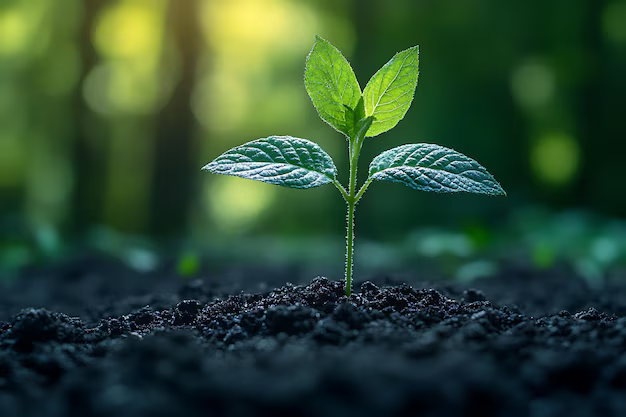
Just as plants can grow in rocky soil, harsh winds, or under scorching sun, humans too can flourish in the face of adversity. A seed doesn’t need perfect conditions to sprout — it needs resilience, nourishment, and time. Similarly, life’s challenges may feel like rocky terrain or storms that batter us, but they also shape our roots, strengthen our stems, and teach us how to reach toward the light. Growth is not about avoiding hardship; it’s about learning to bend without breaking, to adapt without losing yourself, and to thrive even when circumstances seem impossible. Every struggle becomes a nutrient for your personal evolution, just as every season teaches the plant to stretch higher and bloom brighter.
🕊️ Rebuilding from the Inside Out
Rebuilding after trauma is not about restoring what was lost — it’s about creating something new, something rooted in truth. This part of the journey asks you to redefine who you are beyond survival. It’s time to release the version of you who only knew how to endure, and welcome the one who knows how to live.
Start with gentle steps:
Reconnect with your body. Breathe. Stretch. Feel the ground beneath your feet.
Create safe spaces. Surround yourself with people and places that feel nurturing, not draining.
Practice self-compassion. Speak to yourself as you would to someone you love.
Seek professional support. Therapy, trauma-informed coaching, or group healing can help you process what you can’t carry alone.
Rebuild routines of care. Nourish your mind and spirit with rituals of rest, creativity, and movement.
“You do not heal by going back to what broke you. You heal by creating a life that feels safe.” — Unknown
🌼 Reclaiming Your Power
True recovery means reclaiming the parts of yourself you abandoned to survive. When you were in pain, you learned to numb, shrink, or disconnect to stay safe — but healing invites those lost parts home.
“The opposite of trauma is not the absence of pain; it’s the presence of connection.” — Dr. Gabor Maté
As you reconnect, you begin to trust again — in yourself, in others, in life. You learn that vulnerability is not weakness but the birthplace of courage. You realize that every emotion, even anger or grief, has wisdom to offer when met with gentleness instead of judgment.
🌺 Becoming the Author of Your Future
The moment you take back your pen, you realize something powerful: You can’t rewrite the beginning of your story, but you can write a new ending.
Every day is an unwritten page, waiting for you to fill it with hope, honesty, and growth. Even in your quietest, most uncertain moments, healing is happening — in your breath, your awareness, your willingness to begin again.
“And suddenly you know… it’s time to start something new and trust the magic of beginnings.” — Meister Eckhart
Your healing is your greatest story — not one of perfection, but of resilience. So take a deep breath. Pick up the pen. And write — not from your wounds, but from your wisdom.
✍️ Reflection: Journal Your Way to Healing
Journaling is one of the most powerful tools for rewriting your story. It bridges your inner world with the outer one, helping you see your growth in real time. Here are a few gentle prompts to help guide your reflection:
What part of my story am I ready to release or rewrite today? (What belief, memory, or label no longer serves who you are becoming?)
How has my pain shaped my strength or compassion? (Look for the hidden lessons or gifts that emerged from difficulty.)
If I could speak to my younger self, what would I tell them about healing and hope? (Offer your past self the understanding you needed then — it’s an act of self-forgiveness.)
“Writing is a form of therapy; sometimes I wonder how all those who do not write, compose, or paint can manage to escape the madness of the human condition.” — Graham Greene
🌤️ Closing Thought
You are not broken — you are becoming. Your scars are not signs of weakness, but symbols of survival and rebirth. Every time you choose healing over hurting, forgiveness over bitterness, and peace over chaos, you rewrite your story into one of courage, wholeness, and grace.
“You are allowed to be both a masterpiece and a work in progress at the same time.” — Sophia Bush
Everyone experiences anger — it’s a normal and necessary human emotion. What truly matters is how we express it. There’s a clear difference between healthy anger, which can be channeled into awareness and growth, and unhealthy anger, which can harm ourselves and those around us.
💬 “Speak when you are angry, and you will make the best speech you will ever regret.” — Ambrose Bierce
Imagine being on a subway when someone suddenly starts yelling or acting aggressively. Instinctively, passengers tense up, eyes darting toward the nearest exit. That reaction isn’t weakness — it’s self-preservation. In that moment, we make a choice: not to share the same space as someone whose anger feels unsafe.
Similarly, in life, we have the right to distance ourselves from those whose anger disrupts our peace. Closing that door doesn’t mean we lack compassion; it means we are choosing sanity, emotional balance, and self-respect.
💬 “Holding onto anger is like drinking poison and expecting the other person to die.” — Buddha
We often underestimate how deeply uncontrolled anger affects us. Even if we appear calm, our bodies still shift into fight, flight, or freeze mode. Prolonged exposure — whether from a partner, coworker, or family member — drains our energy and creates emotional fatigue.
It takes great courage to accept that someone else’s anger is not our responsibility to fix. As the saying goes: never make decisions in anger — clarity rarely lives in chaos.
🎬 Anger in Inside Out
Pixar’s Inside Out captures anger in a way that feels both humorous and deeply human. The character Anger bursts onto the screen as a red, square-headed bundle of heat and intensity — flames literally shooting from his head whenever frustration boils over.
💬 “Anger is never without a reason, but seldom with a good one.” — Benjamin Franklin
Anger’s role in Riley’s mind is to help her recognize and express frustration when life feels unfair. Beneath his explosive temper lies a fierce protector — one who values justice and fairness above all. His box-like design mirrors his uncompromising nature, while his old-fashioned typewriter console hints at his structured, rule-bound mind.
But beyond the humor, Anger’s design carries a deeper message. His stop-sign shape reminds us that anger can be a signal — a cue to pause, reflect, and reassess. Through this fiery character, children and adults alike learn that anger isn’t wrong; it’s a messenger reminding us that our values, safety, or boundaries need attention.
💬 “When you say something really unkind, when you do something in retaliation, your anger increases… conflict escalates.” — Thich Nhat Hanh, Anger: Wisdom for Cooling the Flames
🌿 Healthy Anger: Awareness, Control, and Growth
Healthy anger isn’t about suppression or denial. It’s about channeling energy into understanding, problem-solving, and change. It transforms emotion into empowerment.
💬 “For every minute you remain angry, you give up sixty seconds of peace of mind.” — Ralph Waldo Emerson
People who manage anger in healthy ways often:
Recognize triggers early. When tension rises, they pause, breathe, or say, “I need a moment to cool off.”
Redirect their energy. They walk, exercise, or write — physical movement helps release tension safely.
Use grounding techniques. Deep breathing, meditation, or focusing on the senses calms the body.
Reflect before reacting. They ask what’s underneath the anger — disappointment, sadness, or fear.
Communicate assertively. “I felt hurt when this happened,” replaces “You always do this!”
Seek healthy outlets. Journaling, therapy, or open conversation prevent emotional buildup.
💬 “Unfortunately, when you choose to get angry, it really boils down to the fact that you’ve sensed that you don’t have control over the situation… The problem is trying to control the situation instead of your response to it.” — Bill Andrews, Anger Management: How to Take Control of Your Anger
🧘 Practical Anger Management Techniques
The 10-Second Rule: Pause before responding — this interrupts impulsive reactions.
The Cooling-Off Ritual: Step outside, stretch, or drink water to reset your mood.
Mindful Awareness: Notice where anger lives in your body — jaw, chest, or breath.
Reframe the Story: Ask, “What else could be true here?” to shift perception.
Set Boundaries: Recognize when to step away instead of forcing control.
💬 “Anger doesn’t solve anything. It builds nothing, but it can destroy everything.” — Lawrence Douglas Wilder
Healthy anger becomes a bridge between awareness and wisdom — allowing us to speak truth, protect boundaries, and act with integrity.
⚡ Unhealthy Anger: Destruction and Control
Unhealthy anger is reactive, explosive, or manipulative. It seeks to dominate rather than resolve.
💬 “Bitterness is like cancer. It eats upon the host. But anger is like fire — it burns it all clean.” — Maya Angelou
Unchecked anger destroys trust and connection. Over time, it leads to guilt, shame, isolation, and even health problems such as hypertension or anxiety. The first step to healing is realizing that anger is not power — control is.
☯️ Finding Balance
The journey toward peace begins with self-awareness. Ask yourself:
What situations trigger my anger most often?
How do I react — and how do I feel afterward?
What can I do differently next time?
💬 “A moment of patience in a moment of anger saves you a hundred moments of regret.” — Ali Ibn Abi Talib
Anger isn’t the enemy — it’s a signal. When we listen instead of explode, anger becomes a teacher, not a tyrant. Choosing peace doesn’t mean avoiding conflict; it means responding with conscious control and compassion.
🌸 The Power of Peace
When harnessed with awareness, anger becomes a force for transformation. It pushes us to set boundaries, speak truth, and take action where silence once held us back.
💬 “Anger is an acid that can do more harm to the vessel in which it is stored than to anything on which it is poured.” — Mark Twain
Every time you pause instead of react, you reclaim your power. Every time you walk away from chaos, you prove your strength. True control isn’t about never feeling angry; it’s about mastering it so it serves your growth, not your downfall.
Let anger remind you of your courage, not your weakness. Use it to rise higher, build stronger connections, and live with emotional clarity and confidence. You deserve both a peaceful mind and a powerful spirit — and both begin the moment you choose calm over chaos.
💬 “You will not be punished for your anger; you will be punished by your anger.” — Buddha
Anger, when understood, becomes one of life’s greatest teachers. It shows us where we feel powerless, unseen, or hurt — and offers the chance to heal through awareness.
Mastering anger is not about suppression; it’s about emotional intelligence — the art of pausing, reflecting, and responding with wisdom.
So the next time you feel the fire rise within, take a breath, listen to what your heart is truly asking for, and respond from a place of strength, not reaction.
💬 “Peace is not the absence of conflict, but the ability to cope with it.” — Mahatma Gandh
Each season carries its own rhythm—a gentle invitation to pause, shift, and realign. As the weather changes, we don’t just swap wardrobes or routines; our moods, energy, and emotions evolve too. Like nature, we are cyclical beings, constantly moving through phases of growth, rest, release, and renewal.
Everyone has a favorite season—the one that makes them feel most alive. Some find peace in the golden glow of autumn, others in the quiet hush of winter or the tender bloom of spring. Yet each season holds its own wisdom for the soul. Nature’s transitions remind us that healing is not linear—it flows through cycles of letting go, resting, growing, and blooming again.
Nature has a remarkable way of mirroring our inner world. The trees do not resist when their leaves fall; they let go with grace. The earth rests when it needs to. And in time, everything that once seemed lifeless blooms again. So too do we. Our healing journey moves through emotional seasons—each with its own weather, purpose, and beauty.
Embrace the rhythm. Trust the cycle. Allow each season, both around you and within you, to guide your heart toward healing and renewal.
“Don’t let your past blackmail your present, to ruin your beautiful future”- SRK, Dear Zindagi (movie)
Some years bring longer winters, where introspection seems to dominate, creating a landscape of quiet reflection; others overflow with summer sunshine, filling our days with joy, energy, and connection. Each season has its lessons, often teaching us patience in the cold and gratitude in the warmth. Trust your timing. Trust your rhythm. Like nature, you will always find your way back to the light, rekindling hope and resilience that guides you forward even through the darkest days. Remember, the journey of healing is as unique as your own heartbeat, pulsing with the ups and downs that carve out your path to growth and transformation.
🍁 Fall — The Season of Letting Go
As autumn arrives, the air grows cooler, and the days slowly turn darker, inviting us to slow down and turn inward. Just as farmers harvest the fruits of their labor, we too can gather the wisdom and experiences we’ve accumulated throughout the year. It’s a time to harness our inner strength—to reflect on what we’ve gained and release what no longer nourishes us. The cooling winds remind us that change doesn’t have to be harsh; it can be a gentle surrender. In nature, the trees don’t cling to their leaves—they let them fall in faith that new life will come. Emotionally, this season teaches us the same truth: that in letting go, we create space for renewal and transformation.
Autumn is a season of transition—a bridge between the fullness of summer and the stillness of winter. Emotionally, it represents harvest and release. We reflect on what we’ve cultivated throughout the year and gently begin to let go of what no longer serves us.
Autumn teaches us the beauty of surrender. As the leaves fall, we’re reminded that letting go isn’t loss—it’s space for new beginnings. The cooling air encourages introspection, helping us shed emotional clutter and embrace change with grace. Just as trees release their leaves, we, too, are invited to release habits, relationships, or beliefs that have fulfilled their purpose.
Healing during fall feels like tidying the soul—decluttering emotionally, setting boundaries, and preparing for rest. It’s a reminder that letting go is not an ending, but the beginning of transformation.
🍂 Journaling Prompt: What am I ready to release in order to make space for new growth?
💬 Affirmation: “I let go with grace. Every ending opens space for something new.”
❄️ Winter — The Season of Rest and Reflection
In the cold and dark embrace of winter, nature teaches us the sacred art of rest and release. The world slows down—trees stand bare, the earth sleeps beneath a quiet blanket of snow, and even the air feels still. This stillness is not emptiness; it is preparation. Emotionally, winter invites us to pause and reflect, to let go of what weighs heavy on the soul. The release that began in autumn deepens here, allowing space for quiet renewal. Though the days are short and the nights long, this season reminds us that growth often happens in unseen places. Just as roots strengthen beneath the frozen soil, our inner resilience deepens in moments of darkness and solitude.
Winter calls us inward. It is the season of stillness, solitude, and deep rest. Nature pauses—and so must we. In our healing journey, winter represents introspection, the time when we face our shadows, process emotions, and find peace in silence.
The cold and darkness may feel isolating, mirroring emotional lows like grief, uncertainty, or fatigue. Yet beneath the frozen surface, powerful regeneration is taking place. Roots grow deeper in the dark. Healing, too, often happens in unseen spaces.
Winter teaches that slowing down is not weakness—it is wisdom. This season invites us to nurture ourselves, to release burdens, and to trust that our inner spring will come. It’s in the quiet that clarity begins to form.
❄️ Journaling Prompt: Where in my life am I being called to rest, reflect, or slow down?
💬 Affirmation: “Even in stillness, I am growing. My rest is sacred and necessary.”
🌱 Spring — The Season of Renewal and Growth
As the days grow brighter and the air turns warming, spring stirs the spirit to emerge from its cocoon of stillness. Nature bursts forth in color and sound—the soil softens, flowers unfold, and the world begins to explore life again. Emotionally, this is the season of reawakening, when hope quietly returns after the long hush of winter. We, too, begin to stretch toward the light, feeling inspired to take new steps, try new paths, and reconnect with what brings us joy. Spring’s gentle warmth reminds us that healing is not rushed—it unfolds naturally as we open our hearts to renewal and allow ourselves to grow in the direction of light and possibility.
Spring is the soft awakening of the soul. After months of stillness, new life begins to bloom. In healing, this season symbolizes rebirth, hope, and emotional renewal. We start to feel lighter, more curious, and open to new possibilities.
Just as the earth awakens, our spirits begin to reawaken too. Hope, creativity, and joy return with the light. It’s a time to explore new opportunities, plant intentions, and allow us to bloom again stronger and more vibrant after the quiet work of winter.
Spring reminds us that no matter how long the darkness lasts, light always returns. It’s the perfect time to set new intentions, cultivate gratitude, and welcome joy back into our lives.
🌸 Journaling Prompt: What new beginnings or opportunities am I ready to embrace?
💬 Affirmation: “I welcome renewal into my life. I am open to growth, joy, and new possibilities.”
☀️ Summer — The Season of Joy and Expansion
Summer represents vitality, expression, and abundance. It’s when we step fully into our power, celebrate growth, and embrace life’s warmth. After the introspection of winter and the renewal of spring, summer is the emotional reward—a reminder that healing allows us to live freely again.
The long, bright days mirror our sense of openness and connection. We gather energy from the sun, reconnect with others, and feel confident taking new chances— “gambling” on ourselves and on life. This is the season to express gratitude for how far you’ve come and to share your light with others.
Summer teaches us that joy is not just a fleeting emotion—it’s a conscious choice to live fully, love deeply, and appreciate the present moment.
☀️ Journaling Prompt: How can I celebrate my growth and share my light with others?
💬 Affirmation: “I honor my journey and choose joy. My light radiates from within.”
🌿 The Cycle Continues
Each season holds a sacred purpose. Fall teaches us to let go. Winter reminds us to rest. Spring inspires us to begin again. Summer invites us to celebrate our light.
Our emotions, like nature, ebb and flow. There is beauty in every phase—whether you are shedding, resting, blooming, or shining. Healing isn’t about rushing toward summer; it’s about honoring every emotional season with presence and grace.
So, as the world around you changes, ask yourself: “What season am I in right now—and what is it teaching me?”
Because every phase, no matter how dark or bright, brings you closer to wholeness.
🌺 Final Reflection
Healing is not linear—it’s a cycle that repeats in different forms throughout our lives. Some years bring longer winters; others overflow with summer sunshine. Trust your timing. Trust your rhythm. Like nature, you will always find your way back to the light.
The following content discusses domestic violence and emotional abuse, which may be triggering for individuals who have experienced trauma.
Quiet Pain of Domestic Violence
In honor of Domestic Violence Awareness Month, I am returning to my writing—something I had taken a break from—to share my journey of navigating difficult situations as a reflection of resilience and courage.
Many people assume domestic violence is only physical—visible through bruises, scars, or broken bones. But those are only the surface wounds. The physical injuries eventually heal; it’s the invisible emotional and psychological wounds that take far longer to recover from.
It is often easier to recognize when a situation becomes physically unsafe and demands an end to the relationship. However, other forms of abuse—especially emotional and psychological—are subtle, insidious, and harder to identify. These invisible wounds often go unnoticed by outsiders and even by the victims themselves until the damage feels irreversible.
“Let’s challenge the narrative that places blame on the survivor. It’s time to hold the perpetrators accountable and offer support to those affected.”
Emotional Abuse
Emotional abuse often begins quietly—with gaslighting, manipulation, and subtle control. It doesn’t appear violent, but it chips away at your sense of self until you no longer trust your own judgment. The victim starts questioning their own reality, memory, and perceptions. When communication turns into control—when every disagreement ends with you apologizing for noticing the truth—something deeper is wrong.
Manipulation shifts the focus from the abuser’s actions to your reaction. They use your secrets, fears, and vulnerabilities against you, reinforcing dependence and fear. Over time, this creates a power imbalance fueled by control, guilt, and emotional blackmail.
Control often disguises itself as care. Innocent-sounding questions like “Where were you?” or “Who were you with?” mask insecurity and possessiveness. Ignoring a message or needing space becomes grounds for conflict. They demand immediate responses, bombard your phone with calls, and insist on resolving things their way—leaving no room for your voice or perspective.
In many cases, emotional abuse happens so gradually that the victim doesn’t even realize they’re being controlled. It’s like being trapped in quicksand—you sink deeper the more you try to reason your way out.
The Cycle of Power and Control
Gradually, codependency sets in. The abuser controls the smallest aspects of your life—what you wear, eat, listen to, or whom you talk to. Each day feels suffocating as you pour yourself into someone who only takes, never gives. You cling to false hope—the promise that “things will get better”—a tactic known as future faking.
Over time, isolation becomes another weapon. You lose connection with friends and family, the very people who could have helped you escape. Fear, shame, and constant belittlement erode your confidence until you no longer recognize yourself.
Your joy fades. You shrink to fit into the box of what they want you to be. They convince you that you’re “too much,” “too emotional,” or “too sensitive,” when in truth, they’re just uncomfortable facing accountability.
In abusive relationships, projection is common—the abuser projects their own flaws onto you. They play the victim, twisting reality until you start doubting yourself. Boundaries become an act of rebellion, and you’re blamed for being “selfish” when you try to set them. The “grey rock” method—becoming emotionally unresponsive—can sometimes help, but only to an extent. Abusers crave reaction and control; they thrive on drama, and silence can provoke them further.
In my opinion, abusers are similar to Prince Hans from Frozen—a seemingly charming and noble prince who masterfully hides his true intentions behind kindness and charisma. From the beginning, he mirrors Anna’s emotions, making her feel understood and valued, only to later reveal his real motives once she is most vulnerable. Like many emotional abusers, Hans wears a convincing mask—he charms, disarms, and deceives with precision. For much of the film, he maintains his façade not only with Anna but with everyone in Arendelle, revealing his true nature only when he believes he’s in control. His deception is so subtle that even the audience feels betrayed when his mask finally slips. Unlike traditional Disney villains marked by dark appearances or ominous tones, Hans’s outward warmth makes his manipulation even more chilling—proving that not all villains look the part.
Breaking the Cycle
One of the most dangerous misconceptions is that love should hurt or that control equals care. Real love does not demand your silence, obedience, or pain. Relationships are not meant to be acts of endurance or survival—they are meant to nurture and uplift both people.
If only one person is making all the effort while the other uses manipulation to maintain control, the environment becomes toxic and unsafe. You cannot heal or grow in a place that constantly wounds you.
“Your safety and well-being matter above all else. Take the leap, spread your wings, and soar towards a future filled with happiness and peace.”
The decision to leave is never easy—it’s often the hardest and most terrifying step. Breaking the trauma bond—the emotional attachment formed through cycles of abuse and intermittent kindness—can feel like losing a part of yourself. It’s confusing because the same person who hurts you also gives you brief moments of affection that feel like hope. But choosing peace over chaos is one of the bravest acts of self-love.
Leaving may be challenging, but staying in an abusive relationship robs you of the opportunity to rediscover who you are and the life you deserve. Once you step away, the fog begins to clear, and you start to see how strong you truly are.
Healing is not linear. There will be setbacks and moments of doubt. But each step toward rebuilding your self-esteem and reclaiming your voice is progress. Give yourself grace. Celebrate small victories. You are not broken—you are healing. Your past does not define you; it is a chapter in your story that showcases your strength and the power of your resilience. Healing is an act of self-empowerment. Embrace the strength within you and let it guide you towards a life of freedom and joy.
You are the author of your own story. Let the chapters of healing, growth, and empowerment redefine who you are.
A Message of Hope
To those who have made it out—kudos to your courage. You chose yourself, even when it was painful. You chose peace, freedom, and the chance to rebuild.
And to anyone still living in the shadow of abuse—you are not alone in your journey. Recognizing the pattern is the first step. Reach out and let the collective strength of survivors empower and uplift you. The wounds of the past may scar, but they do not define your future. Embrace the power of healing and rewrite your story.
If you or someone you know is experiencing domestic violence, help is available 24/7: 📞 Call or text 988 (U.S. Domestic Violence Helpline). They can provide confidential support, resources, and safety planning.
Knowledge is power—and it can save a life.
“Your past does not define you; it is a chapter in your story that showcases your strength and the power of your resilience”
God takes nothing from the world until He puts something else in its place. – Midrash HaGadol
Nothing happens as per the plan in your head. Sometimes we need to stop making futuristic plans to enjoy the present. We can end up being sad when the expectation does not match with the plans we had.
Life is like a rollercoaster ride there are good as well as bad times. All we have to do is hold on and trust the process. Life journey is like a time clock that keeps changing at every phase. If we are struggling at 12 o clock then once the time reaches 6 o clock we might not have the same struggles. Like after every darkest night comes the brightest sunshine. We overcome and get stronger at each phase. The future you is helping the present you to navigate and be patient.
“You don’t lose hope, love. If you do, you lose everything.” –Mrs. Potts, Beauty and the Beast
Movies characters have a way of expressing human emotions with some inspiration. Although I would not say that all movies have a happy ending but most of them do where it motivates us to be like one character who keeps going. In the movie, Frozen 2, Anna had to keep going ahead in her journey even when she felt lost and sad. Heading into the unknown can be scary but we have to leap of faith that there will be a light at the end of the tunnel. Cinderella is another example that portraits a patience story about trusting the process. We all have our fairy Godmother which comes to show magic when we feel broke. The way how Cinderella had the patience to deal with pain. And her life changed because she had faith in her dreams and never gave up.

To lose patience is to lose the battle.” Mahatma Gandhi
Here are 4 ways to trust the journey of life
1.Acceptance-
Pain can be hard. There can be days where all you want to do is shut down and cry. It is okay to have such days. What is not okay is to keep being sad about what is happening or happened. Accepting the situation and challenges takes time but once we do then we do not feel the same pain again. Planning and strategizing the next step is a way to approach tough times.
2. Build tolerance –
Each day can get difficult to go through the same struggle with the hope that one day it will end. But with each day you get stronger than yesterday to face the same challenges the next day. Take one day at a time. It is similar to working out as the body gets used to the routine and the tolerance is built.
3. Patience –
Be strong enough to let go and wise enough to wait for what you deserve. Patience is when you’re supposed to get mad, but you choose to understand. It is said that two things define you, your patience when you have nothing, and your attitude when you have everything.
4. Cherish small moments –
We all are facing different problems at different levels of the game called life. We need to learn to see the good things which we ignore in tough times. Having gratitude to the people in our life who make it special by constantly supporting us in bad phases.
We are as great as the challenges we dare to undertake. – Rabbi Dr. Lord Jonathan Sacks
Hope this article was helpful and informative. If you have any other recommendations which worked for you do mention in the comments section. Let us keep spreading positive vibes. Be healthy and safe. Stay tuned for a new post! 🙂
“Don’t make resolutions without an action plan. The secret to success is right in your hands” – J. Allen Shaw
Everyone reflects on the year as the new year begins by setting resolutions. Resolutions are growth-oriented goals. It can be a step closer to self-development and self-love. Sticking to resolutions needs plenty of determination and willingness to go through the process of change. It will be tough in the start but as you take one day at a time you will see the progress within a few weeks. Remember not to quit as things get difficult and pain is a part of the change.
As we enter into 2021 we all should not only have one but each category resolution which will be a step closer to a new you who is stronger with the challenges you went through this year. There is a light at the end of the tunnel. Hope is the way we can move forward in life rather than being stagnant and cribbing over the past.
“The new year stands before us, like a book, waiting to be written. We can help write that story by setting goals.”- Melody Beattie, from the language of letting go
Resolutions can serve different purposes towards self-growth in the following ways:
1.Body –
Making a resolution which can be related to health which can include eating healthier, regularly exercising, gym, some other form of activity like dancing to be fit, improving on sleeping patterns. The food that we consume makes what we are and how our mind works. Remember in the end it is our body that will always be with us when people around us keep changing.
2.Mind-
Past year our mental health has been affected knowing or unknowingly manner. We need to find ways to get over anxiety and stress. Indulging in more time for meditation can improve to relieve the tension. Letting go of the toxicity which has plenty of side effects leading to over thinking or underestimating our self-worth.
3.Soul –
A step closer to spirituality can nourish our soul. Searching for our soul this year to make an impact on the world. 2020 has been a year of reflections where we have connected more to God seeking guidance and help in difficult times. Having faith that things will fall in place and the bad phase does not last forever. Remember each day you are stronger than yesterday. Find a way to be grateful in our busy life to thank God to awaken our souls.
4.Intellectual / Adventure–
Knowledge is like an ocean which only gets deeper the more we learn from it. Having one resolution dedicated to focus on learning one subject or activity which you have not done before but have always wanted to do can make you a little adventurous. It can be in form of reading more books or working towards fulfilling something on your bucket list. Write down the things to do since you might tend to get distracted and breaking the resolutions.
5.Lifestyle –
We all have our types of struggles. Having a better work-life balance can be one of the resolutions which can have more family time. Building a good lifestyle can be in form of getting into a routine or habit which we all have something to work on ourselves. Getting the procrastination or laziness out of our life which creates negative energy. It is never too late to take control and create a routine towards maintaining better family relations.
I would recommend that we should have one resolution from each of the above categories which will lead to self-growth. I think that we do not need to wait for the new year to have resolutions and should take each day as a new day to work on ourselves better. Do not be too hard on yourself and try to have small goals that are checkpoints to the long term resolution.
“New year is the glittering light to brighten the dream lined pathway of future.” – Munia Khan
Hope this article was helpful and informative. If you have any other recommendations which worked for you do mention in the comments section. Let us keep spreading positive vibes. Be healthy and safe. Stay tuned for a new post! 🙂
“Our fate lives within us; you only have to be brave enough to see it.” — Merida, Brave
Each one of us is fighting a battle in our life whether it’s personal or professional life. Whatever life throws at us we become stronger. Sometimes all we need to do in tough times is have courage and faith that things will get better. Nothing lasts forever irrespective if it’s bad or good times. Change is the only constant thing. Courage can be when we do something out of our comfort zone. It doesn’t mean we have to compare ourselves to others. Everyone has a different story. The only person you need to compare yourself with is you. Look how far you have come with those small courageous decisions. Daily we grow and learn about ourselves. All we need to do is pause and reflect if we are going in the right direction.
Acts of courageousness can be hidden in our life. Our mind is what knowledge we put in it. There is a reason why they say that a man is known by the company of friends he has around. Think of the five people you spend your time with the most. Do they have an impact on your thought or behavior? Obviously yes, in unknown ways the people whom we spend the most time with have an influence us. Often we can also associate with what genre of movies, books or podcast one listens to / watches which can change a person. If the environment has a role model then someone can be more courageous than the person who does not have any inspiration to motivate them.
“You get in life what you dare to ask for.” — Oprah Winfrey
When I think of courageous acts I relate to some superhero movies. Like in every movie the hero stands against all odds and wins because he had stuck to his decision. Courageous people stand out with their aura which has confidence. It can inspire the timid ones. It is said that a strong person is not the one who doesn’t cry. A strong person is one who is quiet and sheds tears for a moment, and then picks up her sword and fights again.
The qualities which every courageous person has which I am sure we all possess have just that we do not discover until we get into the situation where we have to stand for ourselves. Let us see some qualities of a courageous person
Being fearless –We are heroes in our life. We can have this super power of standing there in tough times. It takes a hero to do it. And look at you, already being so brave that you are stronger than your past. Confidence is the key to be fearless. Following your heart- Standing up for what’s right is never a wrong thing to do. If your gut feeling says there is something you need to raise your voice. We all at some point need to be leaders and raise our voice or else our conscience will start playing mind games with us.
Expanding your horizons – Getting out of your comfort zone is what a courageous person constantly likes to do. Curiosity leads to growth and asking or doing things that people have not done before. Being adventurous is part of having the courage to either be related to exploring a city or food or dress or activity.
Silver lining -Facing pain with hope is a way to see light in the darkness. Pain makes us grow in ways we can only look back and see how we have a different approach if we learn the lesson that the phase is trying to teach us.
“A hero is no braver than an ordinary man, but he is braver five minutes longer.” —Ralph Waldo Emerson.
In the end, I would conclude that lets be proud for having courage in life. We all are warriors in our own lives. We all have moments where we have those courageous stories to share so lets keep moving forward by adding more experiences and stories which will inspire others.
Hope this article was helpful and informative. If you have any other recommendations which worked for you do mention in the comments section. Let us keep spreading positive vibes. Be healthy and safe. Stay tuned for a new post till next week! 🙂