Trigger warning: This post discusses emotional abuse, manipulation, and controlling behavior.
Abuse doesn’t always begin with something that feels unmistakably wrong.
Sometimes, it begins with behavior we explain away.
A hurtful comment becomes a joke. Jealousy becomes proof of love. Constant questioning becomes concern. An apology becomes a reason to forget what happened.
Little by little, our understanding of what is acceptable can begin to change.
1. We Make Excuses for Hurtful Behavior
We tell ourselves that they’re stressed, tired, having a difficult day, or reacting because they care so much.
While everyone makes mistakes, repeated humiliation, intimidation, control, and blame should not be dismissed as ordinary relationship problems.
Understanding someone’s struggles does not require accepting mistreatment.
2. We Confuse Apologies With Change
After a hurtful incident, there may be remorse, affection, gifts, or promises that it will never happen again.
We want to believe things will improve.
But a meaningful apology involves accountability and sustained changes in behavior, not simply words that restore temporary peace.
An apology can be a beginning, but it is not proof that a harmful pattern has ended.
3. We Begin Walking on Eggshells
You start monitoring someone’s tone, mood, and reactions.
You think carefully before speaking. You avoid certain topics. You change your plans to prevent an argument.
Eventually, you may realize that your daily decisions revolve around keeping someone else calm.
Living in constant anticipation of another person’s reaction can be emotionally exhausting.
4. We Lose Trust in Our Own Feelings
When someone repeatedly denies what happened, dismisses your concerns, or turns every disagreement into your fault, you may begin doubting yourself.
You ask whether you misunderstood. You apologize just to end the argument. You stop speaking up because explaining yourself never seems to help.
Over time, you may become more focused on proving that your feelings are valid than on recognizing what you need.
5. We Forget Who We Were Before
Perhaps you once felt confident, spontaneous, outspoken, or connected to people you loved.
Now, you may feel anxious about making decisions, guilty about setting boundaries, or unsure of what makes you happy.
This loss can happen gradually.
Recognizing it is not about blaming yourself for staying. It is about acknowledging how deeply an unhealthy relationship may have affected you.
Seeing the Pattern Is Not the Same as Blaming Yourself
You may not have recognized these behaviors immediately. You may have believed the promises or hoped love would be enough.
You were responding to the circumstances and understanding you had at the time.
Now, you can begin asking different questions:
Do I feel safe expressing myself?
Can I disagree without being intimidated or punished?
Are apologies followed by lasting accountability?
Am I free to make decisions without fear?
You deserve to take these questions seriously.
Reflection: What behavior did you once excuse that you now recognize as harmful?
Awareness is not about judging the person you were. It is about giving yourself the understanding and clarity you may not have had before.
Coming next: When Love, Fear, and Hope Keep You From Leaving.
If you are experiencing abuse, you deserve support. In the U.S., the National Domestic Violence Hotline is available at 800-799-SAFE (7233), by texting START to 88788, or at thehotline.org. If you are in immediate danger, call 911.
Trigger warning: This post discusses domestic violence, fear, and barriers to leaving.
“Why don’t they just leave?”
It’s a question people often ask when they see someone experiencing abuse. From the outside, leaving may seem like the obvious answer.
But when you’re living inside an abusive relationship, leaving can feel like facing a hundred unknowns at once.
It isn’t always about whether you recognize the abuse. Sometimes, it’s about whether you feel safe enough, supported enough, or financially able to leave.
The Barriers People Don’t Always See
Fear of what might happen. A survivor may fear retaliation, threats, stalking, or escalating abuse when they attempt to leave. Separation can sometimes increase danger.
Financial dependence. Housing, bills, shared accounts, employment, and legal expenses can make independence difficult to achieve immediately.
Children and family responsibilities. Decisions may involve custody, schooling, family pressure, and concerns about children’s safety and stability.
Emotional attachment. Loving someone doesn’t automatically disappear when their behavior becomes harmful. Survivors may remember the good times and hope the relationship can change.
Shame and judgment. Fear of being blamed, disbelieved, or told “I told you so” can make asking for help feel almost impossible.
The uncertainty of starting over. After years of adapting to another person’s expectations, the prospect of making decisions independently can feel frightening.
These barriers are not excuses. They are real challenges that deserve understanding and support.
Leaving Is a Process, Not a Test of Courage
Some people leave quickly. Others need time to gather resources, seek advice, build a support network, or make a safety plan.
Some leave and return before they are able to leave permanently.
None of these experiences means someone is undeserving of help.
Instead of measuring a survivor’s courage by how quickly they leave, we should ask what support would help them move toward safety.
If you are considering leaving, a domestic violence advocate can help you explore options confidentially and plan around your circumstances. If you believe leaving could put you in danger, you do not have to announce your plans before seeking support.
What We Should Say Instead
Instead of asking, “Why did you stay?” try asking:
“What made leaving difficult?”
“What are you worried might happen?”
“How can I support you without making you feel pressured?”
Compassion can make it easier for someone to speak honestly and seek help when they are ready.
Reflection: What assumptions have we made about leaving abusive relationships without understanding what a survivor might be facing?
Leaving is not a simple decision between staying and going. It can be a complicated journey toward safety, independence, and the possibility of a different life.
Coming next: The Things We Ignore While Living in the Abuse Cycle.
If you are experiencing abuse, you deserve support. In the U.S., the National Domestic Violence Hotline is available at 800-799-SAFE (7233), by texting START to 88788, or at thehotline.org. If you are in immediate danger, call 911.
Trigger warning: This post discusses domestic violence, emotional abuse, and manipulation.
When we talk about domestic violence, we often picture physical injuries. But not every wound leaves a visible mark, and not every abusive relationship looks abusive from the outside.
Sometimes, the deepest wounds are the ones nobody sees.
They are the moments when you begin questioning your own memory. When you rehearse what you want to say because you’re afraid of someone’s reaction. When keeping the peace becomes more important than expressing yourself. When you slowly lose the confidence to make decisions for yourself.
The Bruises Nobody Sees
Emotional exhaustion. Constant criticism, blame, and manipulation can leave you feeling as though you’re always doing something wrong.
Self-doubt. You begin questioning your feelings and wondering whether you’re overreacting, even when something deeply hurts you.
Isolation. You may withdraw from friends and family because explaining what happens at home feels exhausting or embarrassing.
Loss of identity. You stop doing things you enjoy, expressing your opinions, or setting boundaries because you’re trying to avoid conflict.
Fear of starting over. Even when you recognize that a relationship is hurting you, the thought of rebuilding your life can feel overwhelming.
These experiences are often invisible to everyone else. You may smile in public while struggling privately to understand what is happening in your own life.
Why It’s So Hard to Explain
Abuse doesn’t necessarily happen every day or look the same every time. There may be affection, apologies, happy memories, and promises to change.
Those moments can make it difficult to reconcile the person you love with the person whose behavior is hurting you.
You may find yourself thinking, “Maybe things will get better. Maybe I’m asking for too much.”
But wanting respect, emotional safety, and consistency is not asking for too much.
You don’t need visible bruises to deserve help. You don’t need to prove your pain to deserve safety.
A Gentle Reminder
If you recognize yourself in these words, please know that you are not weak for feeling confused. You are not foolish for having hoped things would change.
You deserve relationships where you can speak freely, maintain your independence, and feel safe being yourself.
Reflection: Have you ever minimized your own pain because someone else couldn’t see it?
Sometimes, acknowledging what happened is the first step toward understanding what you need.
Coming next in this series: Why Leaving an Abusive Relationship Is Not That Simple.
If you are experiencing abuse, you deserve support. In the U.S., the National Domestic Violence Hotline is available at 800-799-SAFE (7233), by texting START to 88788, or at thehotline.org. If you are in immediate danger, call 911.
The moments you believed you’d never feel whole again.
Yet here you are.
Still breathing.
Still growing.
Still choosing hope.
That alone is extraordinary.
🌱 Resilience: What You’ve Already Proven
Resilience is often misunderstood.
It is not about never falling apart.
It is about continuing, even after everything inside you felt shattered.
You have already demonstrated resilience in ways you may not fully recognize:
You kept going when nothing felt stable
You carried emotional weight that was never yours
You found ways to survive in environments that drained you
You adapted, even when you were exhausted
You held on to hope when it felt distant
Resilience is not loud.
Sometimes it looks like simply getting through the day.
And that matters.
More than you know.
🌿 Reclaiming Your Purpose
After survival, one of the quiet questions that emerges is:
“What now?”
Purpose after pain is not about rushing into big answers.
It begins gently.
It begins with curiosity:
What makes me feel alive again?
What feels meaningful to me now?
What kind of life do I want to build from here?
What values do I refuse to compromise again?
Your purpose does not have to look impressive.
It has to feel true.
You are allowed to rebuild a life that feels aligned with your peace, not your past.
🌅 Your Future Is Still Open
One of the most healing truths is this:
Your story did not end where it hurt the most.
There is still more ahead of you.
Even if you cannot see it clearly yet.
Even if it feels far away.
Even if you are still tired.
Your future is not fixed.
It is still unfolding.
And it is shaped by the choices you make from this moment forward.
Choices like:
choosing yourself
choosing peace
choosing healing
choosing boundaries
choosing hope again
Every small choice becomes part of your new life.
🌸 Dreaming Again (Without Fear)
After emotional pain, dreaming can feel risky.
You may think:
“What if it doesn’t work out?”
“What if I lose it again?”
“What if I get hurt again?”
But not dreaming keeps you stuck in survival.
Dreaming gently reopens your future.
Start small:
a peaceful morning routine
a healthier relationship with yourself
work that feels meaningful
friendships that feel safe
a life where your nervous system feels calm
You do not need to dream loudly.
You only need to begin again.
🌼 Character Reflection: Tiana
From The Princess and the Frog
Tiana represents persistence, devotion, and building a life step by step. Her journey is not instant transformation—it is steady effort, hope, and resilience through hardship. Even when life is difficult, she continues to work toward her dream, without losing her sense of purpose or integrity.
Tiana reminds us that healing is not passive. It is built through patience, consistency, and belief in something better ahead.
Like her, you are allowed to keep building—even slowly.
Even imperfectly. Even while still healing.
✨ Gentle Affirmations for Resilience & Renewal
I have survived more than I thought I could.
I am allowed to rebuild my life at my own pace.
My future is not defined by my past.
I am capable of creating something new and meaningful.
Every small step forward is still progress.
I am becoming stronger, wiser, and more grounded each day.
✍️ Journal Prompts for Reclaiming Your Future
Take your time with these reflections:
What strengths have I discovered in myself through my healing journey?
What kind of life feels emotionally safe and fulfilling to me now?
What dreams am I ready to revisit or rebuild?
What values do I want to guide my future decisions?
What does “a meaningful life” look like for me beyond survival?
What is one small step I can take toward the future I want?
🌷
Dear Survivor,
You are not starting from nothing.
You are starting from experience.
From wisdom.
From survival.
From strength you did not always realize you had.
Everything you have lived through has shaped you—but it does not define where you must go next.
You are allowed to build slowly.
You are allowed to change direction.
You are allowed to outgrow what hurt you.
And you are absolutely allowed to believe that something better is still ahead.
If no one has reminded you lately:
You are not behind.
You are becoming.
And your story is still unfolding in ways you cannot yet see.
I know trusting yourself feels difficult right now.
Maybe someone convinced you that your instincts couldn’t be trusted.
That your feelings were “wrong.”
That your memories were inaccurate.
That your needs were unreasonable.
That you were “too emotional,” “too sensitive,” or “overthinking everything.”
But none of those voices belong to you anymore.
Your intuition never disappeared.
It simply became quieter while you were trying to survive.
Now…
it’s finding its way home again.
🌙 When You Stop Trusting Yourself, You Start Surviving Through Others
When someone repeatedly questions your reality, something subtle begins to happen.
You start outsourcing your inner knowing.
You begin asking:
“Am I overreacting?”
“Is it really that bad?”
“Maybe I misunderstood.”
“What if I’m the problem?”
Slowly, your inner voice gets replaced by external opinions.
And survival begins to feel like confusion.
But dear survivor, confusion is not your identity.
It is a symptom of being made to doubt yourself for too long.
🌿 Rebuilding Self-Trust (One Small Moment at a Time)
Self-trust does not return in one big breakthrough.
It returns in small, quiet decisions.
Moments like:
Not ignoring discomfort in your body.
Choosing to pause before reacting.
Believing your emotional response is valid.
Saying “something doesn’t feel right” and listening.
Walking away from situations that feel draining.
Not forcing yourself to explain what you already know.
Every time you listen to yourself…
you rebuild trust.
Even if it feels shaky at first.
Even if it feels unfamiliar.
🕊️ Boundaries Are How You Teach Yourself Safety
After emotional manipulation, boundaries can feel uncomfortable at first.
You may fear:
hurting others
being misunderstood
being called “difficult”
being abandoned for speaking up
But boundaries are not rejection.
They are self-respect in action.
A boundary is simply you saying:
“This is what I will allow in my life, and this is what I will no longer tolerate.”
You are not responsible for how others react to your boundaries.
You are responsible for honoring them.
And every boundary you set gently teaches your nervous system:
“I am safe with myself.”
🌿 Learning to Hear Your Intuition Again
Your intuition was never lost.
It was just quieted.
Now it may return as:
A feeling of unease you can’t explain
A heaviness in your chest
A sudden clarity after confusion
A calm “no” that doesn’t need justification
A strong pull toward or away from someone or something
Intuition is rarely loud.
It is steady.
And after chaos, peace can feel unfamiliar—but that doesn’t mean it’s wrong.
Sometimes your intuition will speak before your logic catches up.
Learning to trust it again is part of healing.
🌙 Lessons You Begin to Learn on the Way Back to Yourself
As self-trust rebuilds, you begin to realize:
Not everyone deserves access to your energy.
Discomfort is information, not something to ignore.
You don’t need permission to protect yourself.
Consistency matters more than words.
Love without safety is not love you have to stay in.
Your body often knows the truth before your mind does.
These lessons don’t make you harder.
They make you clearer.
And clarity is healing.
🌸 Character Reflection: Merida
From Brave, Merida represents the journey of reclaiming your voice after being told to silence it.
She is surrounded by expectations, pressure, and voices that try to define her path. But her healing begins the moment she stops abandoning her instincts.
Her courage is not perfection. It is choosing herself, even when it is uncomfortable.
Like Merida, your healing is not about becoming someone new.
It is about returning to your own truth.
✨ Gentle Affirmations for Self-Trust
I am learning to trust myself again.
My feelings are valid and worthy of attention.
I do not need external approval to honor my truth.
My intuition is becoming clearer every day.
I am allowed to set boundaries without guilt.
I trust myself to choose what is safe for me.
✍️ Journal Prompts for Rebuilding Self-Trust
Take your time with these. There is no rush.
When did I first start doubting my own voice?
What does my body tell me in situations that feel unsafe or uncomfortable?
Where in my life do I need stronger boundaries right now?
What decisions have I made recently that felt aligned with my intuition?
How would I act if I fully trusted myself today?
What does “feeling safe with myself” look like in daily life?
🌷 Before You Go…
Dear Survivor,
You don’t need to rush this process.
You don’t need to force confidence.
You don’t need to prove anything to anyone.
Self-trust is not rebuilt through perfection.
It is rebuilt through presence.
Through listening.
Through choosing yourself in small, quiet moments.
You’ve carried responsibilities that were never yours.
You’ve held conversations together.
Protected other people’s emotions.
Explained yourself repeatedly.
Apologized for things that weren’t your fault.
You became so busy surviving…
that you forgot what it felt like to simply rest.
Today…
I hope you let yourself put some of that weight down.
Even if it’s only for a few minutes.
🌧️ You Were Never Meant to Carry This Alone
Somewhere along the way, you learned that being “strong” meant carrying everything by yourself.
You became the one who held everyone together.
The one who stayed calm during chaos.
The one who forgave quickly.
The one who gave second chances.
The one who sacrificed your own needs to keep the peace.
But strength was never meant to look like constant exhaustion.
You were never meant to carry another person’s anger, insecurities, or inability to take responsibility.
Some of those burdens were never yours to hold.
And today, I hope you begin giving them back.
🌿 Your Nervous System Is Tired, Too
Emotional abuse doesn’t only affect the heart.
It affects the body.
When you’ve spent months or years anticipating criticism, conflict, or unpredictable behavior, your nervous system adapts to survive.
It learns to stay alert.
To scan every room.
To notice every change in tone.
To prepare for the next emotional storm before it even arrives.
You may notice yourself:
Feeling startled by loud voices.
Struggling to relax, even in peaceful environments.
Feeling guilty when you aren’t being productive.
Becoming emotionally exhausted by small decisions.
Waiting for something to go wrong, even when life feels calm.
If this sounds familiar, please know this:
Your body isn’t failing you.
It has been trying to protect you.
Now it simply needs time to learn that it is safe again.
🌸 Rest Is Not Something You Have to Earn
Perhaps you’ve told yourself:
“I’ll rest when everything is done.”
“I’ll relax after I fix this.”
“I’ll slow down once everyone else is okay.”
But dear survivor…
There will always be another task.
Another responsibility.
Another expectation.
If you wait until you’ve earned rest, you may never allow yourself to experience it.
Rest is not laziness.
It is restoration.
It is your body’s way of repairing what stress has taken away.
You deserve moments where nothing is expected of you.
Moments where you don’t have to perform, explain, prove, or survive.
💙 Be Gentle With the Person You’re Becoming
Healing often asks us to do something that feels unfamiliar.
To treat ourselves with the same kindness we so freely offer others.
What if, today, you spoke to yourself the way you would comfort a dear friend?
Instead of saying,
“I should be over this by now.”
Try saying,
“I’m healing at the pace my heart needs.”
Instead of,
“Why am I still struggling?”
Try,
“I’ve been through a great deal, and I’m learning how to feel safe again.”
Self-compassion doesn’t erase the pain.
But it makes the journey home to yourself much gentler.
🕊️ Creating Emotional Safety
Healing doesn’t begin when life becomes perfect.
It begins when your mind and body start believing they no longer have to live in survival mode.
Emotional safety might look like:
Spending time with people who listen without judgment.
Saying “no” without explaining yourself.
Leaving conversations that leave you feeling small.
Creating a peaceful home environment.
Allowing yourself quiet moments without guilt.
Choosing relationships where respect is never conditional.
Safety isn’t found in perfection.
It’s found in consistency.
In kindness.
In people who make your nervous system exhale instead of brace itself.
🌱 Small Acts of Rest Are Acts of Healing
Healing doesn’t always happen in dramatic breakthroughs.
Sometimes it happens when you:
Drink your tea while it’s still warm.
Take a slow walk without checking your phone.
Read a few pages of a book before bed.
Sit outside and feel the sun on your face.
Listen to music that calms your heart.
Take a deep breath before responding instead of reacting.
These moments may seem ordinary.
But to a nervous system that has known constant stress, they are extraordinary.
Every gentle choice teaches your body:
“You are safe now.”
🌟 Character Reflection: Hiro Hamada
From Big Hero 6, after losing someone he deeply loved, Hiro doesn’t heal overnight. He withdraws. He struggles. He questions everything.
Yet through friendship, compassion, and the unwavering support of Baymax and those around him, he slowly begins to reconnect with life.
Hiro reminds us that grief isn’t something we “get over.” It’s something we learn to carry with greater gentleness.
His journey teaches us that asking for support isn’t weakness.
Allowing ourselves to rest isn’t giving up. And healing doesn’t mean forgetting. It means choosing to keep living while honoring what we’ve been through.
🌸 Gentle Affirmations
Read these slowly.
Pause between each one.
Allow yourself to believe them, even if only for today.
I no longer have to carry everything by myself.
Rest is a necessity, not a reward.
My nervous system deserves gentleness and patience.
I am learning to create a life that feels safe.
Healing happens in quiet moments, too.
I deserve peace that doesn’t have to be earned.
✍️ Journal Prompts
Spend a few quiet moments reflecting on these questions.
What burdens am I still carrying that don’t belong to me?
When do I feel most emotionally safe?
What does true rest look like for me?
How can I show myself more compassion this week?
What small daily ritual helps my body feel calm and grounded?
If my nervous system could speak, what would it ask me for today?
🌷 Before You Turn the Page…
Dear Survivor,
You’ve spent so much of your life taking care of everyone else.
Now it’s time to let someone care for you.
That someone can be a trusted friend.
A therapist.
A support group.
Or perhaps, for the very first time…
It can be you.
You don’t have to earn love.
You don’t have to earn rest.
You don’t have to earn kindness.
Those things were always meant for you.
So tonight…
Put your shoulders down.
Unclench your jaw.
Take one slow breath.
And remember:
The world will keep turning, even while you rest.
Your healing doesn’t pause when you slow down.
Sometimes…
it finally begins.
With compassion,
Someone who hopes you learn that peace feels safer than survival. 💙
You were trying to survive in an environment that slowly taught you to distrust yourself.
And surviving something painful is not the same as choosing it.
🌧️ When Someone Keeps Telling You You’re Wrong
One of the most painful parts of emotional abuse isn’t always the words that are spoken.
It’s the way those words slowly become your own inner voice.
Perhaps you heard things like:
“You’re overreacting.”
“That never happened.”
“You’re remembering it wrong.”
“Everything is always your fault.”
“No one else would put up with you.”
At first, you questioned those statements.
Eventually, you questioned yourself.
That’s what manipulation often does.
It doesn’t just hurt your heart.
It teaches you to doubt your own mind.
🌿 Gaslighting Doesn’t Change the Truth
If someone repeatedly denied your experiences, minimized your feelings, or convinced you that your memories couldn’t be trusted, you may have experienced gaslighting.
Gaslighting isn’t simply lying.
It’s a pattern of emotional manipulation designed to make you question your reality.
Over time, you may have found yourself apologizing for things you didn’t do, explaining yourself repeatedly, or asking others to confirm what you already knew deep inside.
If that happened to you, I want you to know this:
Your reality is still valid, even if someone refused to acknowledge it.
Truth doesn’t disappear simply because someone denies it.
🌸 Your Kindness Was Never the Problem
Maybe you stayed because you loved deeply.
Maybe you believed people could change.
Maybe you hoped that if you tried harder, communicated better, or loved more, things would finally become peaceful.
Those hopes don’t make you weak.
They make you human.
Your compassion wasn’t the problem.
The problem was that someone repeatedly chose not to treat it with care.
Love should never require you to abandon yourself.
Healthy relationships don’t demand that you shrink, stay silent, or constantly earn kindness.
🕊️ I Hope You Stop Blaming Yourself
If you’re still carrying guilt, please set it down for a moment.
You didn’t cause another person’s manipulation.
You didn’t make someone choose cruelty over accountability.
And you are not responsible for fixing someone who wasn’t willing to change.
Healing begins when you stop asking:
“Why wasn’t I enough?”
And start asking:
“Why did I believe I had to earn the love and respect that should have been given freely?”
That question opens the door to freedom.
🌱 One Day, You’ll Believe Yourself Again
Right now, trusting your own thoughts may feel difficult.
You may still replay conversations.
You may still wonder if you misunderstood what happened.
But slowly, something beautiful will begin to grow.
You’ll notice your intuition speaking a little louder.
You’ll recognize behaviors you once excused.
You’ll stop explaining away the discomfort in your body.
You’ll realize that peace feels safer than unpredictability.
And one day, you’ll discover that you no longer need someone else’s permission to believe your own experience.
That day will feel like coming home.
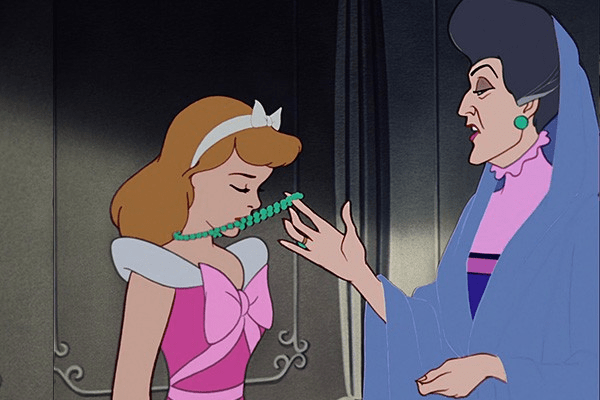
🌼 A Lesson from Cinderella
In Cinderella, Cinderella is constantly told that she is less important, less deserving, and less worthy than those around her.
Yet the truth never changes.
Her value isn’t determined by the way others treat her.
It’s revealed through her compassion, integrity, and quiet resilience.
Like Cinderella, your circumstances never defined your worth.
The cruelty you experienced was never evidence that you deserved it.
It was evidence that you were in an environment where your light wasn’t appreciated.
Leaving that environment isn’t losing your story.
It’s finally giving yourself the chance to live it.
🌸 Gentle Affirmations
Take a deep breath and read these slowly.
I believe my own experiences.
My feelings are valid.
I no longer need someone else’s permission to trust myself.
What happened to me does not define who I am.
I deserve relationships built on kindness, honesty, and respect.
Healing begins every time I choose myself.
✍️ Journal Prompts
Give yourself permission to answer these with honesty and compassion.
What moments made me begin doubting myself, and what truths do I know today?
What qualities in me remained strong, even during the hardest seasons?
If I fully believed that what happened wasn’t my fault, how would I begin treating myself differently?
What does emotional safety feel like to me now?
What is one belief about myself that I’m ready to reclaim?
🌷 Before You Turn the Page…
Dear Survivor,
I know there are still days when you wonder whether you’ll ever feel like yourself again.
You will.
Not because you’ll forget what happened.
But because you’ll slowly remember who you were before someone convinced you to question your own voice.
Healing isn’t about pretending the past never existed.
It’s about refusing to let it write the rest of your story.
So today, if all you can do is take one deep breath…
If all you can do is choose kindness toward yourself…
If all you can do is believe, even for a moment, that you deserve peace…
That is enough.
More than enough.
You survived what tried to silence you.
Now, little by little, may you find the courage to hear your own voice again.
Sometimes we believe that improving our lives requires dramatic transformations.
We wait for the perfect moment, the perfect routine, or the perfect version of ourselves before we begin healing.
But the truth is, some of the biggest emotional shifts come from the smallest daily choices.
Your nervous system doesn’t heal through pressure—it heals through consistency, safety, rest, joy, and presence.
Likewise, dopamine—the brain’s “feel-good” neurotransmitter—is naturally supported when our lives feel balanced rather than constantly overstimulated.
These habits aren’t about perfection or productivity.
They’re about creating a life that feels softer, calmer, and emotionally sustainable.
Here are 10 simple practices to support your mind, body, and nervous system—one gentle moment at a time.
☕ 1. Turn Your Morning Coffee or Tea Into a Mindfulness Ritual
Instead of rushing through your morning drink while scrolling your phone or thinking about your to-do list, give yourself permission to slow down.
Notice:
The warmth of the cup in your hands.
The aroma.
The first sip.
The quiet around you.
A simple five-minute ritual can become an anchor of calm before the day begins.
Healing often starts with learning to be present in ordinary moments.
🌅 2. Watch the Sunrise or Sunset
Nature gently reminds us that everything moves in seasons—including our healing.
Watching the sky change colors can help:
🌿 Ground your emotions
💙 Calm your nervous system
☀️ Improve mental clarity
✨ Encourage mindfulness
Sometimes healing looks like pausing long enough to notice beauty.
📵 3. Create Phone-Free Moments
Our minds were never designed for constant notifications and endless scrolling.
Too much stimulation can leave us feeling emotionally exhausted and disconnected from ourselves.
Try:
Waiting 30 minutes before checking your phone in the morning.
Keeping your phone away during meals.
Taking short “notification-free” breaks throughout the day.
At first, silence may feel uncomfortable.
Eventually, it begins to feel peaceful.
🧺 4. Transform Everyday Chores Into Acts of Self-Care
Cleaning doesn’t have to feel like another obligation.
Instead, create an atmosphere that makes it enjoyable:
Light a candle.
Open the windows.
Play your favorite music or podcast.
Take your time.
Rather than thinking, “I have to do this,” try asking:
“How can I care for the future version of myself?”
A peaceful space often creates a more peaceful mind.
🌧️ 5. Give Yourself Permission to Rest Before You’re Exhausted
Many of us believe we must earn rest.
We wait until burnout forces us to stop.
But rest isn’t a reward.
It’s a basic human need.
Whether it’s:
A short nap
A quiet evening
Reading a book
Sitting outside
Rest allows your nervous system to recover before reaching its breaking point.
You don’t have to prove your worth through constant productivity.
🎧 6. Let Sound Support Your Nervous System
Our bodies respond deeply to sound.
Try listening to:
🌧️ Rain sounds
🌊 Ocean waves
🎹 Instrumental music
🧘 Guided meditations
🎼 Nature sounds
These calming soundscapes can help your body shift out of survival mode and into a state of rest and safety.
🕯️ 7. Create an Evening Wind-Down Ritual
The way you end your day matters just as much as how you begin it.
Instead of overstimulating your mind before bed, create calming bedtime rituals such as:
Dimming the lights
Drinking herbal tea
Reading a few pages of a book
Journaling
Gentle stretching
Following a relaxing skincare routine
These rituals send a simple message to your nervous system:
“It’s safe to relax now.”
🌿 8. Spend More Time in Nature
Nature is one of the most effective—and free—ways to regulate the nervous system.
Even small moments can make a difference:
Sitting beneath a tree
Walking in a park
Gardening
Walking near water
Opening your windows for fresh air
Nature reminds us that life isn’t meant to be lived in constant urgency.
💛 9. Practice Speaking Kindly to Yourself
Your inner dialogue becomes your emotional environment.
Notice how often you criticize yourself.
Then gently replace those thoughts with compassion.
Instead of:
“I’m behind.”
Try:
“I’m moving at the pace I need.”
Instead of:
“I’m not enough.”
Try:
“I deserve patience, grace, and compassion.”
A kinder inner voice creates a safer inner world.
✨ 10. Stop Feeling Like You Always Have to Be “On”
You don’t need to:
Always be productive
Constantly socialize
Be available to everyone
Entertain others
Fill every moment with activity
Your energy deserves protection.
Sometimes healing looks like:
Saying no
Staying home
Enjoying quiet evenings
Choosing rest over obligation
Protecting your peace
Not every empty space needs to be filled.
Sometimes stillness is exactly what your soul needs.
🌸 Gentle Signs Your Nervous System Is Healing
Healing is often subtle.
You may notice:
🌿 You react less intensely to stress.
💙 You feel safer spending time alone.
🌅 Your body feels less tense.
✨ You crave peace more than chaos.
📵 Constant stimulation feels less appealing.
💤 Rest no longer fills you with guilt.
❤️ You recover from difficult moments more quickly.
🌸 You begin trusting yourself again.
Healing isn’t always dramatic.
Sometimes it’s almost invisible—until one day you realize you’re responding to life differently.
🌱 Progress Isn’t Measured by Productivity
One of the biggest misconceptions about healing is believing you should always feel like you’re “making progress.”
In reality, progress often looks like:
Choosing peace instead of proving yourself.
Resting without guilt.
Laughing a little more.
Recovering more quickly after difficult days.
Feeling safe in your own company.
Saying “no” without overexplaining.
Enjoying ordinary moments again.
These quiet victories deserve to be celebrated.
🌸 Gentle Affirmations
“I give myself permission to slow down.”
“My healing grows through consistency, not perfection.”
“I deserve rest without guilt.”
“Peace is becoming my new normal.”
“Small moments of care create lasting change.”
✍️ Journal Prompts
Reflect on these questions:
What activities make my body feel calm and safe?
Where in my life do I feel overstimulated or emotionally drained?
What small daily rituals bring me genuine comfort?
How can I create more softness in my routine this week?
What would a peaceful life feel like emotionally, mentally, and physically?
🌙 A Soft Life Is a Strong Life
Healing doesn’t require a perfect life.
It asks for moments of:
🌿 Presence
😌 Rest
❤️ Self-care
🌅 Slowness
✨ Joy
A regulated nervous system is built through the small ways you care for yourself every single day.
Not through pressure.
Not through perfection.
But through consistency, gentleness, and emotional safety.
Your healing may never look dramatic.
Sometimes it simply looks like drinking enough water, taking an evening walk, listening to birdsong, protecting your peace, and learning to enjoy your own company again.
And perhaps that’s the most beautiful transformation of all.
Because healing isn’t about becoming someone new.
It’s about returning to the version of yourself who always deserved kindness.
When people think about leaving a marriage, ending a long-term relationship, or walking away from abuse, they often picture immediate relief—an instant sense of peace, happiness, and liberation.
Sometimes that happens.
But more often, freedom arrives quietly.
It slips into your life through moments of silence, unfamiliar choices, and emotions you weren’t expecting.
Because leaving something that once occupied your heart, your home, and your daily routine—even when it was unhealthy—is a profound life transition.
You may feel:
Relieved yet heartbroken
Empowered yet uncertain
Peaceful yet lonely
Excited yet afraid
And that’s because freedom isn’t just about leaving what hurt you.
It’s about learning how to live beyond it.
🌊 The Emotional Aftermath No One Talks About
Leaving is often celebrated as the final step.
In reality, it is the beginning of a deeper healing process.
Once survival mode fades, emotions that were buried for months or years begin to surface.
You may experience:
Relief
For the first time in a long time, your nervous system begins to exhale.
There is no constant tension.
No walking on eggshells.
No waiting for the next argument, criticism, or disappointment.
Relief is often the first glimpse of what safety feels like.
Grief
You aren’t just grieving a relationship.
You may be grieving:
The future you imagined
The promises that were never fulfilled
The version of yourself who kept hoping things would change
The time and energy invested in making it work
Grief is not proof that leaving was wrong.
It is proof that something mattered to you.
Anger
Anger often emerges when clarity arrives.
You may feel angry about:
What you tolerated
What was taken from you
The ways your needs were ignored
The opportunities you lost while trying to save the relationship
Healthy anger can be a powerful teacher.
It reminds you that your pain mattered.
Guilt
Even when leaving was necessary, many people question themselves.
You may wonder:
“Did I try hard enough?”
“Could I have done more?”
“Was leaving the right choice?”
Guilt often appears because caring people naturally question difficult decisions.
But questioning yourself does not mean you made the wrong decision.
Loneliness
One of the most surprising emotions after leaving is loneliness.
Even unhealthy relationships create familiarity.
And familiarity can feel comforting, even when it is painful.
Missing the connection does not mean you miss the dysfunction.
It simply means you are human.
🔓 What Freedom Really Means
Many people think freedom is simply the absence of pain.
But true freedom is much more than that.
Freedom is the presence of choice.
It is the ability to:
Speak openly without fear
Rest without anxiety
Express your needs without guilt
Make decisions without seeking permission
Be yourself without shrinking
Freedom is waking up one day and realizing:
You belong to yourself again.
That realization can feel both beautiful and unfamiliar.
And it takes time to fully settle into your heart.
🌿 Finding Closure Without an Apology
One of the most difficult lessons in healing is accepting that closure may never arrive in the form you hoped for.
You may never receive:
The apology you deserved
Accountability for the hurt caused
Honest answers to your questions
Validation from the person who hurt you
Waiting for those things can keep you emotionally tied to the past.
The truth is:
Closure is not something another person gives you.
It is something you choose.
Closure begins when you decide:
I do not need their agreement to validate my experience.
I do not need answers to move forward.
I do not need an apology to heal.
I choose peace over endless explanation.
Closure is not about changing the past.
It is about releasing your future from it.
🔥 The Life Lessons That Emerge From the Ashes
Pain changes people.
But healing reveals the wisdom hidden within those experiences.
Over time, you may discover lessons that reshape the way you approach relationships, boundaries, and self-worth.
1. You Learn the Difference Between Love and Attachment
Many people stay because they love deeply.
But sometimes what feels like love is actually:
Fear of being alone
Hope for someone’s potential
Emotional dependency
Familiarity mistaken for compatibility
Healing teaches an important truth:
Love should feel safe.
It should not require constant sacrifice of your well-being.
2. You Learn to Trust Yourself Again
There may have been moments when your intuition whispered that something wasn’t right.
Perhaps you ignored it.
Perhaps you doubted yourself.
Now, healing invites you to rebuild that relationship with yourself.
You begin listening to your instincts.
You honor your feelings.
You trust what your body and mind are trying to tell you.
And that trust becomes one of your greatest strengths.
3. You Learn That Boundaries Are Not Selfish
Many people leave difficult relationships believing boundaries are harsh or unkind.
Healing teaches something different.
Boundaries are an act of self-respect.
They communicate:
What you will accept
What you will not tolerate
How you expect to be treated
You stop over-explaining.
You stop over-giving.
You stop abandoning yourself to make others comfortable.
And life becomes lighter because of it.
4. You Learn That Peace Is More Valuable Than Love That Hurts
There comes a point where chaos loses its appeal.
You stop chasing intensity.
You stop confusing unpredictability with passion.
You stop seeking validation from people who cannot offer consistency.
Instead, you begin choosing:
Stability
Respect
Emotional safety
Mutual effort
You realize something powerful:
Peace is not boring.
Peace is freedom.
5. You Discover Your Strength
Perhaps the greatest lesson of all is recognizing your resilience.
You survived circumstances that once felt impossible.
You made difficult decisions.
You kept moving forward even when the path felt uncertain.
That changes the way you see yourself.
You begin to understand:
You are stronger than you ever believed.
Merida
Merida fights against expectations and learns to honor her own voice.
Perfect for:
Reclaiming autonomy
Setting boundaries
Self-determination
Building a life aligned with personal values
Metaphor:
“Merida’s courage wasn’t found in fighting others—it was found in staying true to herself.”
🌸 Rebuilding a Life That Feels Like Yours
Leaving is only one part of freedom.
The next chapter is creating a life that reflects who you are becoming.
A life where:
Your home feels peaceful
Your relationships feel reciprocal
Your boundaries are respected
Your voice matters
Your needs have space to exist
This is where healing begins to feel less like recovery and more like creation.
You are no longer focused solely on what you escaped.
You are focused on what you are building.
🌿 The Soft Return to Yourself
One of the most beautiful parts of healing is the quiet return to yourself.
Slowly, you begin to:
Recognize your strengths
Trust your decisions
Enjoy your own company
Feel your emotions without fear
Dream about the future again
You realize something important.
You were never truly lost.
You were surviving.
And now, with each step forward, you are reconnecting with the person who has been there all along.
🕊️ Affirmations for Freedom & Closure
Repeat these reminders whenever you need them:
✨ I am free, even while I am still healing.
✨ I release the need for answers that never came.
✨ My peace does not require anyone else’s understanding.
✨ I trust myself to create a safe and meaningful future.
✨ Every step forward is evidence of my growth.
✨ I am becoming stronger, wiser, and more aligned every day.
✍️ Journal Prompts for This Phase of Healing
Use these prompts to reflect on your journey:
What does freedom feel like in my body today?
What am I finally allowed to feel, express, or explore?
What lessons has this relationship taught me about self-worth?
What am I no longer willing to tolerate?
What kind of relationships do I want moving forward?
What does a peaceful life look like for me?
In what ways am I already becoming the person I want to be?
🌙 Final Thoughts: Freedom Is a Beginning
Leaving was never the end of your story.
It was the moment you chose yourself.
The moment you decided that your peace mattered.
The moment you stopped surviving and started rebuilding.
Freedom may feel unfamiliar at first.
It may feel quiet.
It may even feel uncertain.
But that does not mean you are lost.
It means you are standing at the beginning of something new.
A life that belongs to you.
A future shaped by choice rather than fear.
A version of yourself that is no longer defined by what happened—but by what you chose to do next.
✨ Remember This
You didn’t just walk away from something painful.
You walked toward yourself.
And every step you take from here is part of your journey home.
Moments when pain feels too heavy to explain, grief settles deeply in the chest, or loneliness becomes too quiet to name.
And then a song begins to play.
Suddenly, someone else has found the words you couldn’t express yourself.
Music has a remarkable way of reaching the parts of us that conversation, logic, and even silence cannot touch. It doesn’t ask us to justify our emotions or explain our pain—it simply sits beside us, offering comfort without expectation.
Sometimes, that alone begins the healing.
🌊 Why Music Feels So Emotional
Music is far more than entertainment.
It is memory, emotion, biology, and connection woven together.
A single song can:
💙 Calm anxiety
🌿 Regulate the nervous system
💛 Release buried emotions
🌅 Inspire hope
🫶 Reconnect us with ourselves
Research suggests that music can influence dopamine, serotonin, heart rate, and stress hormones, helping regulate both mood and emotional well-being.
But beyond science, music heals because it gives us permission to feel without judgment.
Sometimes we cry because a song understands us before we understand ourselves.
And emotions that are allowed to move are emotions that can begin to heal.
🎵 Music Helps Us Feel What We Suppressed
Many of us learn to disconnect from our emotions simply to survive.
Especially after experiencing:
Heartbreak
Divorce
Trauma
Emotional abuse
Grief
Loneliness
Music gently unlocks the emotional spaces we’ve kept closed.
A familiar melody can suddenly awaken:
Sadness we buried
Anger we silenced
Hope we forgot
Memories waiting to be processed
Although this can feel overwhelming, it is often a sign that healing is unfolding.
Healing isn’t always about feeling better immediately.
Sometimes healing begins by finally allowing yourself to feel.
🌿 Music Reminds Us We Are Not Alone
One of music’s greatest gifts is connection.
Every meaningful song quietly reminds us:
Someone else survived this feeling.
Someone else understands.
Someone else transformed pain into something beautiful.
Music becomes emotional companionship.
During seasons of loneliness, it can become:
Comfort
Validation
Understanding
Safety
Hope
It reminds us that emotions are part of being human—not something we need to hide or apologize for.
🔥 Music Can Shift Your Emotional State
Music doesn’t just reflect our emotions—it can gently reshape them.
🌙 Soft, calming music can:
Relax the nervous system
Reduce emotional overwhelm
Create feelings of safety
Encourage mindful breathing
☀️ Upbeat, energizing music can:
Increase motivation
Boost dopamine
Improve mood
Inspire movement
🌧️ Reflective music can:
Help process grief
Encourage emotional release
Support healing after loss
Restore hope
Sometimes healing begins with something as simple as changing the soundtrack of your day.
🌊 Character Reflection: Luca Paguro — Rediscovering Joy Through Music & Memory
From Luca
Luca Paguro beautifully represents emotional freedom, innocence, and reconnecting with the simple joys of life.
The world of Luca feels like a cherished summer memory—filled with friendship, adventure, curiosity, and safety.
His journey reminds us that healing isn’t always about escaping the past.
Sometimes it’s about rediscovering the wonder that still exists within us.
Just as nostalgic songs can transport us back to moments when life felt lighter, Luca reminds us that our inner child still longs for joy, playfulness, and connection.
Healing isn’t only about recovering from pain.
It’s also about remembering happiness.
🎼 Create Playlists That Support Your Healing
Music becomes even more meaningful when used intentionally.
Consider creating playlists for different emotional needs:
🌿 Healing
🧘 Grounding
💪 Confidence
🌅 Peaceful mornings
😢 Emotional release
❤️ Self-love
🚶 Motivation
🌙 Solitude
✨ Hope
Rather than constantly surrounding yourself with noise, build playlists that nourish the emotional state you want to cultivate.
Let music become one of your healing rituals.
🌙 Music Can Become a Safe Space
Sometimes music becomes much more than sound.
It becomes:
A place to cry safely
A companion during loneliness
A source of comfort during anxiety
A reminder that beauty still exists
You may notice that:
Certain songs instantly calm your nervous system.
Certain lyrics make you feel deeply understood.
Certain melodies help you breathe a little easier.
Music often carries emotions we are not yet ready to express out loud.
And that’s okay.
🕊️ Healing Through Singing, Dancing & Self-Expression
Healing through music isn’t only about listening.
It’s also about participating.
Singing allows emotions to move.
Dancing reconnects you with your body.
Movement helps release emotional tension stored within the nervous system.
You don’t need perfect rhythm or a beautiful voice.
You only need permission to feel alive.
Dance in your kitchen.
Sing in your car.
Play your favorite song while cleaning, walking, journaling, or simply watching the rain.
Both joy and grief find healing through movement and sound.
🌿 Music Helps Rebuild Identity After Pain
Pain can make us lose sight of who we are.
Music gently helps us reconnect.
Certain songs remind us:
Who we were
Who we are becoming
What inspires us
What gives us hope
What still brings us joy
Over time, your playlists begin to tell the story of your healing.
You stop listening only to survive difficult days.
You begin listening because you are learning how to truly live again.
✨ Five Simple Ways to Use Music Intentionally
1. Start Your Morning with Music
Choose songs that bring peace or gentle motivation before checking your phone.
2. Create a “Nervous System Reset” Playlist
Fill it with songs that instantly help your body feel calmer.
3. Use Music During Emotional Processing
Allow yourself to cry, journal, reflect, or simply breathe while listening.
4. Dance Without Judgment
Even a few minutes of movement can release emotional tension.
5. Replace Mindless Scrolling with Meaningful Listening
Give your mind something that nourishes instead of overstimulates.
🌸 Healing Affirmations
“I allow myself to feel fully and honestly.”
“Music helps me reconnect with my emotions safely.”
“Healing can be soft, expressive, and beautiful.”
“I deserve moments of joy, comfort, and emotional release.”
“I am learning how to feel alive again.”
✍️ Journal Prompts
Reflect on these questions:
What songs make me feel emotionally safe or understood?
How does music affect my emotional state throughout the day?
What emotions am I finally allowing myself to feel?
What kind of music reflects the person I am becoming?
If my healing journey had a soundtrack, what songs would be on it—and why?
🌙 Final Thoughts: Music Heals What Words Cannot Reach
Not every breakthrough happens in therapy.
Not every healing conversation happens with another person.
Sometimes healing happens:
Through melodies
Through meaningful lyrics
Through tears during a favorite song
Through dancing alone in your living room
Through finally feeling something move inside you again
Music reminds us that we are emotional beings.
We were never meant to suppress every feeling.
We were meant to experience life fully—with compassion, vulnerability, and hope.
Sometimes a song finds us at exactly the right moment.
Not to fix us.
But to remind us that we are still here.
Still breathing.
Still growing.
Still healing.
“Where words fail, music speaks.” — Hans Christian Andersen
📖 Reflection
Healing isn’t always loud.
Sometimes it arrives quietly through a familiar melody, a forgotten lyric, or a song that reminds you who you were before life became heavy.
The next time you press play, ask yourself:
“What is this song helping me remember about myself?”
You may discover that the answer has been waiting in the music all along.
A gentle guide for those rebuilding after domestic violence:
🌙 When Survival Ends and Life Begins Again
Leaving an abusive relationship is often portrayed as the finish line. In reality, it is the beginning of a new and unfamiliar journey.
For a long time, your energy may have been focused on surviving—managing fear, walking on eggshells, protecting yourself emotionally, physically, or financially. When the abuse ends, many survivors expect to feel immediate relief and happiness.
Instead, they often encounter something unexpected: silence.
The chaos is gone, but so is the version of you that learned how to survive it.
You may feel relief and grief at the same time. Freedom and fear. Hope and exhaustion. Gratitude and sadness. These emotions can seem contradictory, yet they are all part of the healing process.
Life after abuse is not about returning to who you were before. It is about discovering who you are now and creating a life that feels safe, meaningful, and truly your own.
💔 The Emotional Aftermath No One Prepares You For
Many survivors believe that once they leave, the pain should disappear. But healing often begins after the danger is gone.
The emotional aftermath can arrive in waves:
Sadness for what you endured
Anger for the years, opportunities, or dreams that were taken from you
Guilt for staying
Guilt for leaving
Fear of repeating the cycle
Confusion about your identity
Grief for the future you once imagined
Some days you may feel empowered and hopeful. Other days you may feel like you’re back at the beginning.
Neither experience means you’re failing.
Trauma recovery is rarely a straight path. Healing often looks less like climbing a staircase and more like walking through seasons—sometimes progressing, sometimes pausing, but always moving forward.
The goal isn’t perfection. The goal is learning to feel safe enough to live again.
🧠 Understanding What Your Nervous System Has Been Through
One of the most overlooked parts of recovery is understanding how trauma affects the body.
During abuse, your nervous system adapts to survive. It learns to stay alert, anticipate danger, and prepare for the next crisis. Even after you are safe, your body may continue responding as though the threat still exists.
This can show up as:
Hypervigilance
Difficulty relaxing
Anxiety or panic
Trouble trusting others
Emotional numbness
Fatigue and burnout
Overthinking everyday decisions
These responses are not signs of weakness.
They are evidence that your mind and body worked incredibly hard to protect you.
Healing involves teaching your nervous system that safety is no longer temporary—it is your new reality.
🌱 Rebuilding a Sense of Self
One of the most profound losses in an abusive relationship is the loss of self.
Abuse often teaches people to shrink their needs, question their instincts, and seek permission for things that should never require approval.
Recovery begins with reclaiming the pieces of yourself that were buried beneath survival.
Sometimes this happens through small acts:
Making decisions without fear of criticism
Saying “no” without explaining yourself
Setting boundaries without guilt
Exploring new interests
Rediscovering old passions
Learning to trust your intuition again
These moments may seem insignificant, but they are powerful declarations of independence.
You are not becoming someone new.
You are returning to yourself.
🔥 Anger, Grief, and Acceptance Can Coexist
Many survivors struggle with emotions that seem contradictory.
You may feel angry about what happened while simultaneously grieving the relationship.
You may accept that the relationship was unhealthy while still mourning the dreams attached to it.
You may miss the person while recognizing the harm they caused.
All of these experiences can be true at the same time.
Anger does not make you bitter.
Grief does not mean you regret leaving.
Acceptance does not mean what happened was okay.
Healing is not about choosing one emotion over another. It is about making room for all of them without judgment.
The more gently you allow yourself to feel, the less power those emotions have to control you.
🌸 Learning to Trust Yourself Again
After experiencing manipulation, gaslighting, or emotional abuse, many survivors begin questioning their own judgment.
You may wonder:
“Can I trust my instincts?”
“What if I make another mistake?”
“What if I choose the wrong people again?”
These fears are understandable.
Trusting yourself again is not about never making mistakes. It is about believing that you can handle whatever happens next.
Self-trust is rebuilt through small promises kept to yourself:
Honoring your boundaries
Listening to your feelings
Making choices aligned with your values
Walking away from situations that don’t feel safe
Every time you choose yourself, trust grows stronger.
🌼 When Life Feels New and Unfamiliar
Starting over can feel incredibly lonely.
You may feel disconnected from people who don’t understand trauma. You may feel left behind while watching others move forward with relationships, careers, or families.
You may even miss aspects of the life you left behind—not because the abuse was acceptable, but because familiarity can feel comforting, even when it was painful.
This does not mean you made the wrong choice.
It means you are human.
Every major life transition involves grief, even when it leads to something better.
Over time, the unfamiliar becomes familiar.
The quiet becomes peaceful.
The uncertainty becomes possibility.
And the life you’re building begins to feel like home.
🌻 Signs You’re Healing (Even If It Doesn’t Feel Like It)
Healing often happens so gradually that you don’t notice it.
You may be healing if:
You recover from triggers more quickly than before
You recognize unhealthy behavior sooner
You speak to yourself more kindly
You feel safer expressing your needs
You no longer blame yourself for what happened
You celebrate small victories
You can imagine a future beyond survival
Progress is not measured by never struggling.
Progress is measured by how often you choose yourself despite the struggle.
💛 Gentle Reminders for Survivors
When the journey feels overwhelming, remember:
You did not imagine the abuse.
You did not cause it.
You deserved better.
You are allowed to rest.
You are allowed to heal slowly.
You are allowed to have boundaries.
You are allowed to experience joy again.
You are allowed to build a life that feels peaceful.
Survival required strength.
Healing requires courage.
You are doing both.
🌷 Final Thoughts: You Are More Than What You Survived
Life after domestic violence is not defined by pain—it is shaped by resilience.
You are not starting from nothing.
You are starting from experience.
From wisdom.
From lessons learned through unimaginable challenges.
The chapter you survived will always be part of your story, but it does not get to define the rest of it.
There is hope after abuse.
There is peace after chaos.
There is life after fear.
And one day, you may look back and realize something remarkable:
You didn’t just escape.
You rebuilt.
You healed.
You rediscovered yourself.
And you became free.
✨ Remember This
The strongest part of your story is not what happened to you.
It is the fact that, despite everything, you chose to keep going.
And that quiet act of choosing yourself, day after day, is where true healing begins.
“You are not who survived the storm. You are who learned how to bloom after it.” 🌿
There comes a moment in every healing journey when something shifts.
The pain may still visit. The memories may still echo. But they no longer define the space you live in.
You begin to notice it in small ways — how you respond differently, how you speak to yourself more gently, how you no longer chase what once drained you.
This is the quiet transition from surviving to becoming.
Healing is not just about recovering from what hurt you. It is about discovering who you are without it.
🌊 Letting Go of Survival Mode
For so long, survival protected you.
It taught you how to endure, how to stay, how to hold everything together even when you were falling apart inside.
But survival mode was never meant to be your permanent home.
At some point, healing asks you to release the patterns that once kept you safe but now keep you small.
This might look like:
No longer over-explaining yourself
Setting boundaries without guilt
Walking away from what feels familiar but unhealthy
Allowing yourself to rest instead of constantly proving your worth
Letting go of survival mode can feel unfamiliar — even uncomfortable. Because peace often feels strange before it feels safe.
But this is where your life begins to open.
✨ Redefining Who You Are
After pain, identity can feel fragile.
You may ask yourself:
Who am I without this story?
What parts of me are truly mine?
What do I want now that I’m no longer surviving?
This is not a loss of identity — it is an invitation to redefine it.
You are not who you were before the pain. But you are also not the pain itself.
You are someone new — someone with deeper awareness, stronger boundaries, and a clearer sense of truth.
Give yourself permission to explore that.
Try new things. Speak differently. Choose differently.
You are allowed to evolve.
🌱 Trusting Yourself Again
One of the deepest wounds after heartbreak or trauma is the loss of self-trust.
You may question your decisions, your intuition, even your worth.
But healing gently rebuilds that trust — one choice at a time.
Every time you:
Say “no” when something doesn’t feel right
Honor your emotions instead of dismissing them
Choose peace over chaos
You are rebuilding a relationship with yourself.
Trust is not something you force. It is something you practice.
And over time, you begin to feel it again — a quiet inner knowing that says:
“I’ve got myself now.”
🔥 Choosing Peace Over Familiar Pain
Sometimes, the hardest part of healing is not letting go of the past — it’s resisting the urge to return to what feels familiar.
Because even pain can feel like home when it’s all you’ve known.
But growth asks you to choose differently.
To choose:
Peace over intensity
Stability over unpredictability
Respect over validation
Wholeness over attachment
This is not settling. This is elevating.
You are no longer choosing based on wounds. You are choosing based on worth.
🌸 Opening Your Heart Again (Without Losing Yourself)
Healing doesn’t mean closing your heart forever.
It means learning how to keep it open without abandoning yourself.
Love will feel different now.
Not rushed. Not anxious. Not something you have to chase or prove.
But calm. Safe. Mutual.
And most importantly — aligned.
When you’ve done the work to heal, you don’t just attract different people. You become someone who chooses differently.
🕊️ Living as Your Future Self
Close your eyes for a moment and imagine the version of you who is fully healed.
The one who:
Speaks with confidence
Moves with peace
Loves without fear
Lives without constantly looking over their shoulder
That version of you already exists. Not in the future — but within you.
Healing is simply the process of aligning with her.
Ask yourself daily:
What would she choose today?
What would she walk away from?
What would she no longer tolerate?
Then take one small step in that direction.
That’s how transformation happens.
🌿 New Affirmations for Becoming
For Self-Trust
“I trust myself to make decisions that honor my peace.”
“My intuition is safe to listen to.”
For Growth
“I am allowed to evolve beyond who I used to be.”
“Growth may feel uncomfortable, but it is leading me home.”
For Peace
“I no longer choose what hurts me.”
“Peace is the foundation of my life now.”
For Love
“I welcome love that feels safe, steady, and true.”
“I will never abandon myself for connection again.”
✍️ Journal Prompts
What parts of my survival mode am I ready to release?
What does peace feel like in my body — and how can I create more of it?
Where in my life am I choosing familiarity over growth?
What would my healed self do differently today?
What does a safe and healthy love look like to me now?
🌙 Final Thoughts: This Is Your Becoming
You didn’t go through all of this just to return to who you were.
You went through it to become someone who:
Knows their worth
Honors their truth
Chooses their peace
Lives with intention
Healing was never the final destination.
Becoming is.
And the most beautiful part?
You’re already on your way.
“And one day, you will meet yourself — not as who you were in pain, but as who you became because you chose to heal.”
Heartbreak has a way of replaying itself on a loop — conversations you wish went differently, moments you wish you could erase, and a future you expected but never received.
After a divorce or deep heartbreak, it’s natural to feel stuck inside your own thoughts. You analyze every detail. You question everything. You replay memories until they feel like open wounds.
But here’s the truth: Ruminating doesn’t heal you — it holds you hostage.
And healing begins the moment you decide to reframe your mind, shift your inner dialogue, and reconnect with your own power.
This post is your invitation to gently reshape your thinking patterns and move forward with clarity, hope, and self-compassion.
🌧️ Why Heartbreak Makes Us Ruminate
Rumination is your mind’s attempt to make sense of something that shattered your expectations.
After divorce or heartbreak, your brain naturally seeks closure, answers, and understanding. But the problem is:
You can’t heal by re-reading old chapters.
Instead of giving clarity, rumination keeps your nervous system in survival mode.
It often shows up as:
Replaying painful conversations
Wondering what you could have done differently
Obsessively checking their social media
Imagining “what could have been”
Feeling stuck between anger, sadness, and confusion
Rumination is a cycle — but cycles can be broken.
✨ Step 1: Reframe the Story You’re Telling Yourself
Every healing journey begins with reframing. Not rewriting the truth — but rewriting the meaning.
Instead of: “I failed.” Try: “I survived something that taught me more about who I am.”
Instead of: “I wasted years.” Try: “Those years shaped me, but they don’t define my future.”
Instead of: “They moved on, so I must not have mattered.” Try: “Their actions are not a reflection of my worth.”
Reframing transforms suffering into strength.
✨ Step 2: Create Mental Boundaries
Your thoughts need boundaries just as much as your heart does.
Try these practices:
1. Time-Limit Your Reflection Allow yourself a specific window to process the past — then intentionally shift your focus.
2. Change the Setting If painful thoughts arise while lying in bed, get up. Move. Breathe. Interrupt the pattern.
3. Grounding Practices
Place your hand on your heart
Name 5 things you can see
Feel your feet firmly on the ground
These practices gently pull you out of the past and into the present.
🌤️ Step 3: Rebuild Your Identity (Without the Relationship)
After heartbreak, you don’t just lose a partner — You lose the version of you that existed with them.
So begin asking yourself:
Who am I becoming?
What do I value now?
What dreams are mine — not ours?
What parts of myself did I silence?
What do I no longer have to shrink for?
Healing is not about going back. It is about becoming forward.
🌕 Step 4: Accept That Closure Comes From Within
Some people never give us apologies, explanations, or accountability.
And yet… You still get to heal anyway.
Closure is not a conversation. It’s a decision.
A decision to reclaim your peace, your future, and your energy.
“You cannot heal in the place where your heart was broken.” — Rupi Kaur
✨ Step 5: Cultivate Radical Self-Compassion
You’re not supposed to “move on quickly.” You’re supposed to heal fully.
Be gentle with yourself. You are rebuilding a life from the inside out.
Try reminding yourself:
“I am allowed to take my time.”
“I am healing, even on the days it doesn’t feel like it.”
“My worth is not measured by someone who walked away.”
Healing isn’t linear.
Some days you’ll feel strong. Other days you’ll feel the ache again.
Both days count. Both days matter. Both days are progress.
“Your heart will heal itself when it is ready — your job is only to love yourself in the meantime.” — Unknown
🌀 Wanda Maximoff (Scarlet Witch): A Lesson in Reframing Your Story
Wanda Maximoff is a powerful mirror for anyone healing after heartbreak.
She didn’t just lose love — She lost a future, an identity, and a version of herself that once felt whole.
Her story reflects what many experience after divorce: the collapse of not just a relationship, but a dreamed-of life.
Wanda clings to memories, replaying them until they shape her reality — much like rumination shapes ours. She tries to recreate what was, instead of accepting what is.
But her transformation begins when she stops running from the truth.
When she:
Accepts her grief
Takes responsibility
Lets go of illusion
She begins to rebuild from clarity instead of pain.
Her turning point symbolizes a shift we all must make:
From holding onto fantasy → embracing truth
From feeling powerless → reclaiming strength
From reliving the past → rewriting the future
What Wanda teaches us:
You can’t heal by living in memories
Grief is real, but it doesn’t have to define you
Power returns when you choose acceptance over rumination
Your strength begins the moment you stop looking backward and start reclaiming your story.
🌙 Final Thoughts: You Are Becoming Someone New
Divorce or heartbreak can feel like the end — but in truth, it is often the beginning of your becoming.
You are not meant to stay in the memories. You are meant to create new ones.
You are not meant to shrink from pain. You are meant to rise from it.
Healing doesn’t happen by returning to what broke you — it happens by returning to yourself.
You’re not losing a future. You’re gaining a new one.
And this time… it’s yours.
“There is no timeline, no perfect pace. Healing is simply the art of returning home to yourself.”